


What Does a UK Statelessness Application Mean?
A stateless person is someone who is not regarded as a national by any state under the operation of its law. In the UK, Appendix Statelessness provides a specific immigration route for eligible people who cannot acquire nationality or a status leading to permanent residence in another relevant country.
Being undocumented, having an expired passport or experiencing difficulty renewing nationality documents is not enough by itself. A UK statelessness application assessment looks at citizenship by birth, descent and other legal routes, alongside your immigration history. Our solicitors can advise whether the requirements fit your situation.
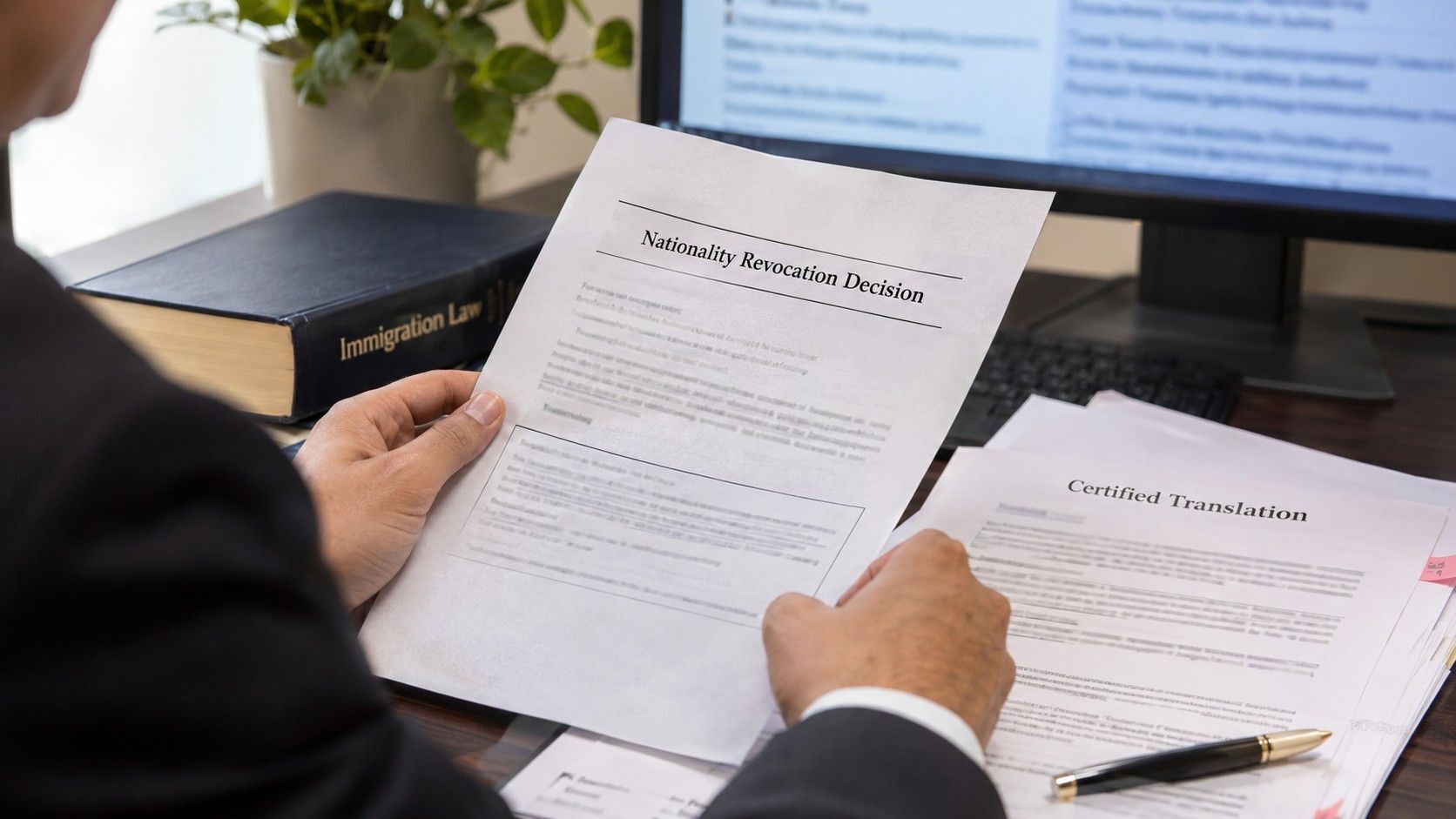
How Do You Apply for Permission to Stay as a Stateless Person?
You must be in the UK when submitting the application. The specified form is Further Leave to Remain as a Stateless Person, commonly called FLR(S). Prepare the evidence before applying, because questions about identity and nationality may need careful explanation.
The application normally involves:
- Check eligibility: Review nationality laws, UK status and the reasonable steps already taken.
- Collect evidence: Gather identity documents, nationality enquiries, refusal letters and residence records.
- Submit Form FLR(S): Complete the online application and provide your supporting explanations and documents.
- Attend biometrics: Follow Home Office instructions for fingerprints, a photograph and document checks.
UKVI may request more information or an interview. Axis Solicitors can help with the application and your response to subsequent enquiries.
Who Can Qualify Under Appendix Statelessness?
The requirements are more specific than simply being unable to travel or return home. Your application must demonstrate the relevant nationality position and meet the Immigration Rules. Key matters include:
- You are physically in the UK when you submit your application.
- No country considers you its national under its own law.
- Your birth, parentage and former citizenship have been properly examined.
- You have taken all reasonable steps to acquire or reacquire relevant nationality.
- You cannot secure permanent residence, or a route leading to it, in a relevant country.
- You provide all reasonably available documents supporting these points.
- Your identity is satisfactorily established and required biometrics are provided.
- You meet the applicable suitability requirements and are not excluded from the route.
If your nationality was withdrawn or you have never held nationality documents, the evidence needed will depend on the laws and official records of the countries involved. The Home Office assesses each application individually.
How Can You Show That No Country Recognises You as a National?
The Home Office may consider several countries connected with your life. The strongest applications explain each relevant connection and what it means under that country's nationality and residence laws.
Nationality Through Birth, Parents or Previous Citizenship
Your place of birth, parents’ nationalities, earlier passports and any naturalisation or citizenship revocation decision can all matter. We can examine the relevant history and identify where official evidence or legal clarification may be needed.
Enquiries to Embassies and Competent Authorities
Reasonable steps may include applications for citizenship confirmation, requests for records or written enquiries to the relevant authority. Keep dated copies of correspondence and responses. Contacting authorities may be inappropriate where protection concerns arise, so obtain advice before taking potentially unsafe steps.
Access to Permanent Residence in Another Country
Appendix Statelessness also considers whether you could obtain admission as a permanent resident, or a status leading to permanent residence, elsewhere. This may involve countries of former residence or other relevant connections, even where you are not a citizen.

Is Statelessness Leave Different From Asylum or a Human Rights Claim?
Yes. Statelessness concerns whether any country legally recognises you as a national and whether another country can provide permanent residence. Asylum concerns a fear of persecution; human rights claims may involve other legal protections. Where you fear persecution, the Home Office says you should claim asylum first.
- Statelessness: Focuses on nationality and realistic access to permanent residence elsewhere.
- Asylum: Assesses a well-founded fear of persecution and protection needs.
- Human rights: May address separate family, private life or serious-harm circumstances.
- Existing UK visa: Requires checking current conditions and whether an application is timely.
- Nationality revocation: Requires proof of the legal effect of any withdrawal decision.
If you have an outstanding asylum or human rights claim, the Home Office says you must await its decision before applying under the statelessness route. See our asylum and human rights services for those separate issues.
What Evidence Can Support Your Statelessness Application?
There is no universal document that proves someone is stateless. A well-prepared application shows what information is available, why it matters and what steps have been taken to obtain missing records.
|
No. |
Evidence category |
What it may help establish |
Practical point |
|
01 |
Birth and family records |
Birthplace and possible nationality by descent |
Explain missing or inconsistent records |
|
02 |
Current or old identity documents |
Previous nationality claims and identity history |
Include cancelled or expired documents |
|
03 |
Embassy correspondence |
Attempts to confirm or acquire citizenship |
Keep dated emails and responses |
|
04 |
Citizenship refusal or revocation notices |
Whether an authority recognises nationality |
Provide full decisions where available |
|
05 |
Past residence documents |
Countries where permanent residence may be possible |
Explain the legal position in each country |
|
06 |
School, medical or community records |
Identity and former places of residence |
Use where formal documents are unavailable |
|
07 |
Home Office and immigration records |
Your UK status and earlier applications |
Address material differences between accounts |
Evidence that is unavailable should be explained rather than silently omitted. Axis Solicitors can review your papers and help organise them into a coherent chronology. Read our document checking guide for more on avoiding preventable inconsistencies.
How Much Does a UK Statelessness Application Cost?
A qualifying application for statelessness permission is free of Home Office application fees and exempt from the Immigration Health Surcharge (IHS). Separate costs can arise for legal advice, translations or a later travel document.
|
Item |
Current cost or position |
|
FLR(S) permission application |
£0 Home Office application fee |
|
Immigration Health Surcharge |
£0 for an application to stay as a stateless person |
|
SET(O) statelessness settlement application |
£0 Home Office fee under Appendix Statelessness |
|
Stateless person's travel document |
£102 for adults; £66.50 for children aged 15 or under |
|
Solicitor and document preparation costs |
Case-dependent; fees and any third-party expenses explained before instruction |
Biometric appointments are part of the application process. Any optional third-party or translation costs should be checked for your case. Government charges and fees for separate routes can change, so check the current position before applying.
What Are the Main Stages From Statelessness Leave to Settlement?
A successful first application can begin a route to long-term residence, but each later application has its own requirements.
|
Stage |
Application |
What it can provide |
|
01 |
Initial FLR(S) application |
Five years' permission to stay if the rules are met |
|
02 |
Further FLR(S) application |
More permission where settlement is not yet available and eligibility continues |
|
03 |
SET(O) settlement application |
Indefinite Leave to Remain after the qualifying period and other requirements are met |
The current rules generally require five qualifying years. Some time on another route leading to settlement may count where you have held statelessness permission for at least the preceding year and meet the remaining rules.
Can You Apply If Your UK Visa Is Expiring or Has Already Expired?
You should assess your position before your existing UK permission expires wherever possible. Being stateless does not, by itself, extend a visa or stop enforcement action. If you are already without permission, your options and immediate risks need individual consideration.
A timely application may protect your existing status in some circumstances. However, a late or invalid application does not ordinarily create permission simply because you have requested statelessness leave.
Applying While You Are Already in the UK
The FLR(S) route is for applications made in the UK. Applicants may have different immigration histories, including previous work, study or visitor permission. Your existing status, any outstanding application and available evidence should be reviewed before submission.
An application from overseas is not available to the main applicant under FLR(S). Different rules may apply to qualifying family members seeking to join a person with statelessness permission.
What Happens to Your Rights While UKVI Makes a Decision?
If you make a valid application while you still hold relevant limited permission, section 3C leave may continue that permission while it is pending. Where it applies, the conditions of your previous leave normally remain in force.
An FLR(S) application does not automatically give someone without work permission the right to work. Nor should you travel outside the UK while an in-country application is pending without checking the consequences, including possible withdrawal of the application.
Do You Need Income, English Language or Accommodation Evidence?
Appendix Statelessness does not impose the standard partner-visa minimum income or English language eligibility tests on the principal FLR(S) applicant. The main issues are nationality, access to permanent residence elsewhere, validity and suitability.
You may nevertheless need documents showing your identity, whereabouts and residence history. If you are destitute while a statelessness application is pending, you may qualify for housing or financial support, subject to separate requirements.
Do not confuse this route with a family visa. A partner or child whose family relationship arose after a person's statelessness grant may need to apply under Appendix FM, which has different eligibility rules.
Axis Solicitors can identify which requirements apply to each person, rather than relying on a checklist prepared for an unrelated immigration route.
Can Your Partner and Children Apply With You?
Partners and dependent children may qualify under Appendix Statelessness where the family relationship meets the relevant rules, including the timing of the family unit. Those already in the UK and those seeking entry clearance from abroad follow different application processes.
Family members who were part of your family unit before you received statelessness leave may be eligible for the statelessness dependant route. Children born later can also qualify in specified circumstances. Eligibility is not automatic, and age, relationship and dependency evidence matters.
A partner or child joining after a relationship formed following the statelessness grant will generally need to consider the separate family visa rules. For more context, read our stateless family reunification article.
For a UK-born child applying as stateless, Appendix Statelessness requires the parent or guardian to have taken all reasonable steps to register the child's birth with the competent authorities without success. Some UK-born stateless children may also qualify for a separate British citizenship registration route.
Which Documents Should You Prepare for Form FLR(S)?
The right documents depend on your nationality history and the steps reasonably available to you. A supporting file may include:
- Current, expired or cancelled passports and travel documents, if held.
- Birth certificates or records explaining why these cannot be obtained.
- Parents’ identity documents and evidence of their nationality or status.
- Marriage, civil partnership or other relevant family records.
- Previous nationality applications, certificates or formal refusal notices.
- Documents confirming revocation, loss or non-recognition of citizenship.
- Copies of embassy correspondence and nationality enquiries.
- Records of residence in countries where permanent status might be available.
- School, medical, employment or community records relevant to identity.
- Home Office correspondence, prior applications and available eVisa details.
- Documents for a partner or child applying with or alongside you.
Documents not in English or Welsh may require certified translations. If essential records do not exist, explain what enquiries you made and why they are unobtainable.
Image placeholder: evidence preparation photograph, 1200 × 450 px. Solicitor reviewing a chronology, official letters and nationality enquiries in a private UK consultation room.
How Long Does a UK Statelessness Application Take?
There is no fixed published decision deadline for an FLR(S) statelessness application. Cases can take many months, particularly if the Home Office investigates nationality law or needs additional information.
|
Application or stage |
What to expect |
|
Initial FLR(S) permission application |
No guaranteed processing period; the evidence may require detailed enquiries |
|
Request for further nationality evidence |
Timing depends on the information requested and authorities involved |
|
Biometric and identity checks |
Arranged as directed after online submission |
|
Further permission as a stateless person |
Consideration depends on current eligibility and the supporting record |
|
Statelessness settlement using SET(O) |
Separate assessment of the qualifying period and continuing status |
Do not assume that another FLR route's eight-week or six-month target applies to statelessness. If a decision is delayed, your solicitor can advise whether an appropriate update or follow-up enquiry should be made.

What Can You Do After Statelessness Leave Is Granted?
Permission granted under Appendix Statelessness provides defined rights and conditions. These normally include:
- Length of stay: Five years’ permission to remain in the UK.
- Employment: Permission to work, including self-employment and voluntary work.
- Study: Permission to study, subject to any applicable ATAS condition.
- Public funds: Access to public funds under the statelessness permission rules.
- Digital status: An eVisa record showing your permission and conditions; see our eVisa status guide.
- Travel: Eligibility to apply separately for a stateless person’s travel document, subject to the travel document rules and destination-country requirements.
A travel document is not automatic permission to enter another country. Check acceptance, visa requirements and the implications of travel before making arrangements.
What Should You Review Before Making a Statelessness Application?
The most useful preparation is a consistent account of your nationality position and why permanent residence is not available elsewhere.
Your Nationality History
- Identify every country that could regard you as a national.
- Review birth, descent, marriage and previous citizenship records.
- Check the legal effect of any nationality withdrawal decision.
Your Reasonable Steps
- Record applications and requests sent to relevant authorities.
- Keep dated copies of replies, refusals and follow-up enquiries.
- Obtain advice before contacting officials where protection concerns arise.
Your Supporting Records
- Gather available identity, immigration and residence documents.
- Explain spelling differences, conflicting dates and missing papers.
- Check that every document supports a consistent chronology.
Your Current UK Position
- Confirm when your existing UK permission expires, if applicable.
- Check whether an asylum or human rights claim remains outstanding.
- Consider section 3C leave and any work conditions before applying.
Your Longer-Term Plans
- Identify when an extension or settlement could become relevant.
- Check which family members can use the statelessness route.
- Consider citizenship registration or travel document questions separately.
Axis Solicitors can review these issues together and advise which evidence and timing matter most to your application.
How Can You Respond to a Statelessness Refusal?
A refusal may reflect missing evidence, a disputed nationality conclusion, questions about reasonable steps or suitability concerns. Check the decision letter promptly to understand the reasons and any available deadline.
Possible next steps include:
- Administrative Review: Ask UKVI to review an eligible refusal for a caseworking error under Appendix AR.
- Evidence reassessment: Check which nationality or residence findings were disputed and whether further proof exists.
- Fresh application: Consider another application where the requirements can be met and it is legally appropriate.
- Judicial Review: Seek advice on challenging an arguably unlawful decision or process where the legal test is satisfied.
A statelessness refusal does not automatically carry a statutory immigration appeal right. See our guide to Home Office decision errors to check genuine errors for review.
How Axis Solicitors Prepares and Supports Your Statelessness Case

Reviewing Your Nationality and Residence Background
- Identify countries relevant to your nationality or permanent residence.
- Review family history, past documents and nationality changes.
- Assess whether Appendix Statelessness may apply to your facts.
Building Your Evidence and Chronology
- Organise refusals, authority replies and previous immigration records.
- Explain gaps and inconsistencies in available documentation.
- Advise on reasonable, safe steps to seek further evidence.
Preparing FLR(S) and Legal Representations
- Complete the appropriate online application with your instructions.
- Prepare submissions addressing the relevant Immigration Rules.
- Guide you through biometrics and Home Office information requests.
Advising on Partners and Dependent Children
- Assess when your family relationship was formed.
- Review in-country and overseas dependant application options.
- Check documents relevant to a child born in the UK.
Planning for a Decision and Future Status
- Explain the conditions attached to permission if granted.
- Review available travel document and further-leave options.
- Assess later settlement eligibility under the applicable rules.