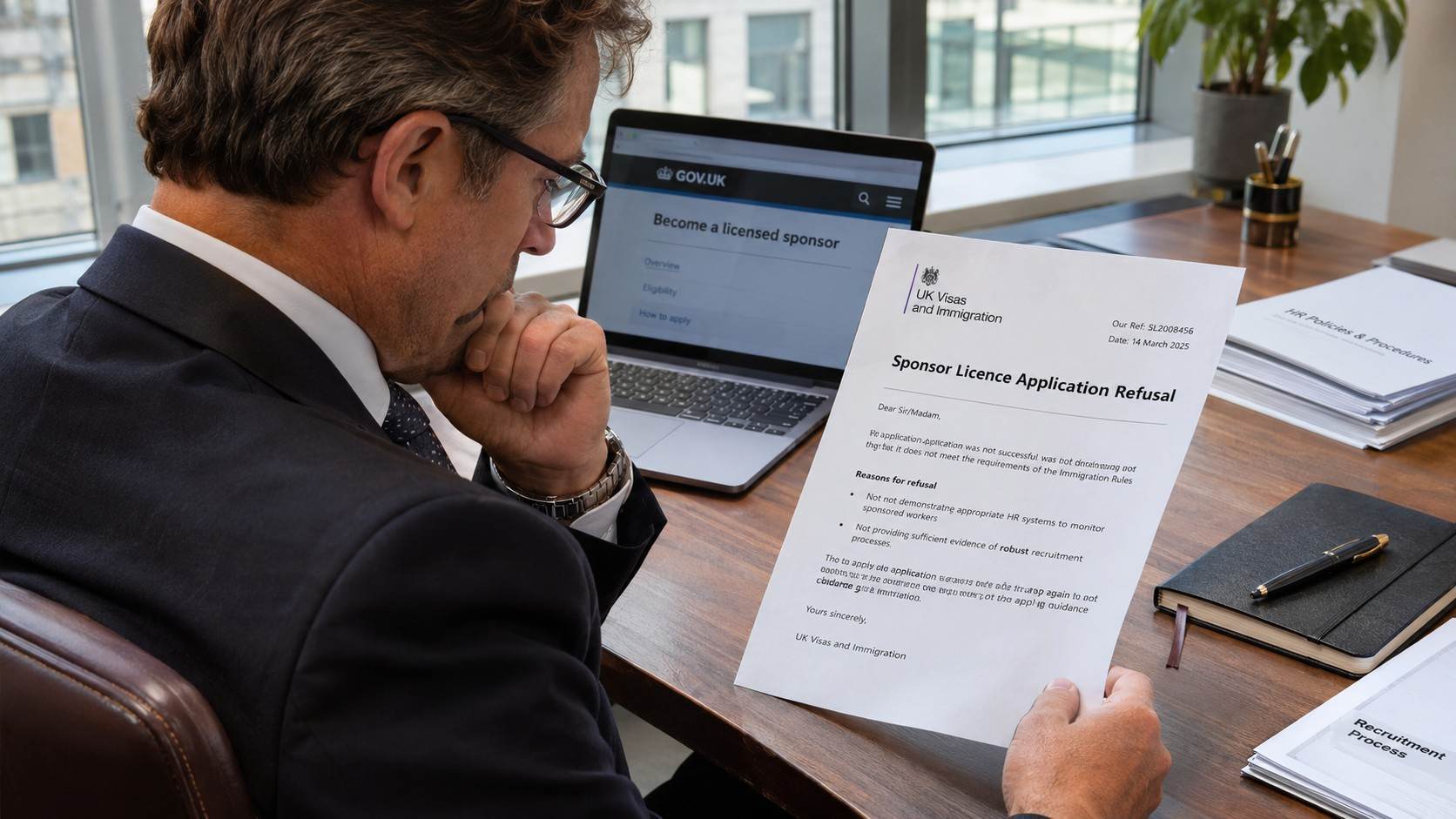
What Does a Sponsor Licence Refusal Mean for Your Business?
A refusal means the Home Office has considered your sponsor licence application but has decided not to grant the licence.
- You cannot sponsor workers through the refused application
- Planned overseas recruitment may be delayed
- You cannot assign Certificates of Sponsorship
- A cooling-off period may prevent immediate reapplication
- The refusal may require compliance issues to be addressed
The practical consequences will depend on why the application was refused and whether your business had already identified workers it intended to sponsor.
Was Your Sponsor Licence Application Refused or Rejected?
A refused application is different from an application that the Home Office treats as invalid and rejects without substantive consideration. Identifying which decision you have received is important before deciding what to do next.
- Refusal follows substantive consideration of the application
- Rejection normally concerns an invalid application
- Missing mandatory documents can result in rejection
- An incorrect application fee can make an application invalid
- A rejected application fee will normally be refunded
A refusal can also result in a cooling-off period, whereas an invalid application that is rejected does not generally have the same consequence.
Why Has the Home Office Refused Your Sponsor Licence Application?
The Home Office can refuse a sponsor licence application where the organisation does not satisfy the eligibility or suitability requirements or concerns arise during its assessment.
- Refusal reasons can involve supporting evidence, sponsorship systems, unsuitable key personnel, previous immigration compliance problems, civil penalties, false information or concerns about the roles the business intends to sponsor.
- Issues identified during a pre-licence compliance check can also result in refusal where the Home Office is not satisfied that the organisation can meet its sponsorship responsibilities.
The precise reasons stated in your decision letter should determine what needs to be addressed next. Our business immigration lawyers can help you plan your next steps.
What Should You Do Immediately After Receiving a Refusal Letter?
A sponsor licence refusal should be reviewed carefully before your business decides what to do next. You should:
- Identify every refusal reason in the decision
- Confirm the date of the refusal letter
- Preserve your application and supporting documents
- Check what evidence the Home Office considered
Early review is particularly important because an Error Correction Request, where available, must normally be submitted within 14 calendar days from the date of the refusal decision letter.
Missing or Late Supporting Information
Sponsor licence applications require specified documents and information. Missing mandatory evidence can cause an application to be rejected as invalid, while failure to provide other information requested by the Home Office can result in refusal.
If documents were submitted but the refusal suggests they were not considered, it is important to establish what was sent, when it was sent and whether there is evidence showing that the Home Office received it.
Weak HR and Sponsorship Systems
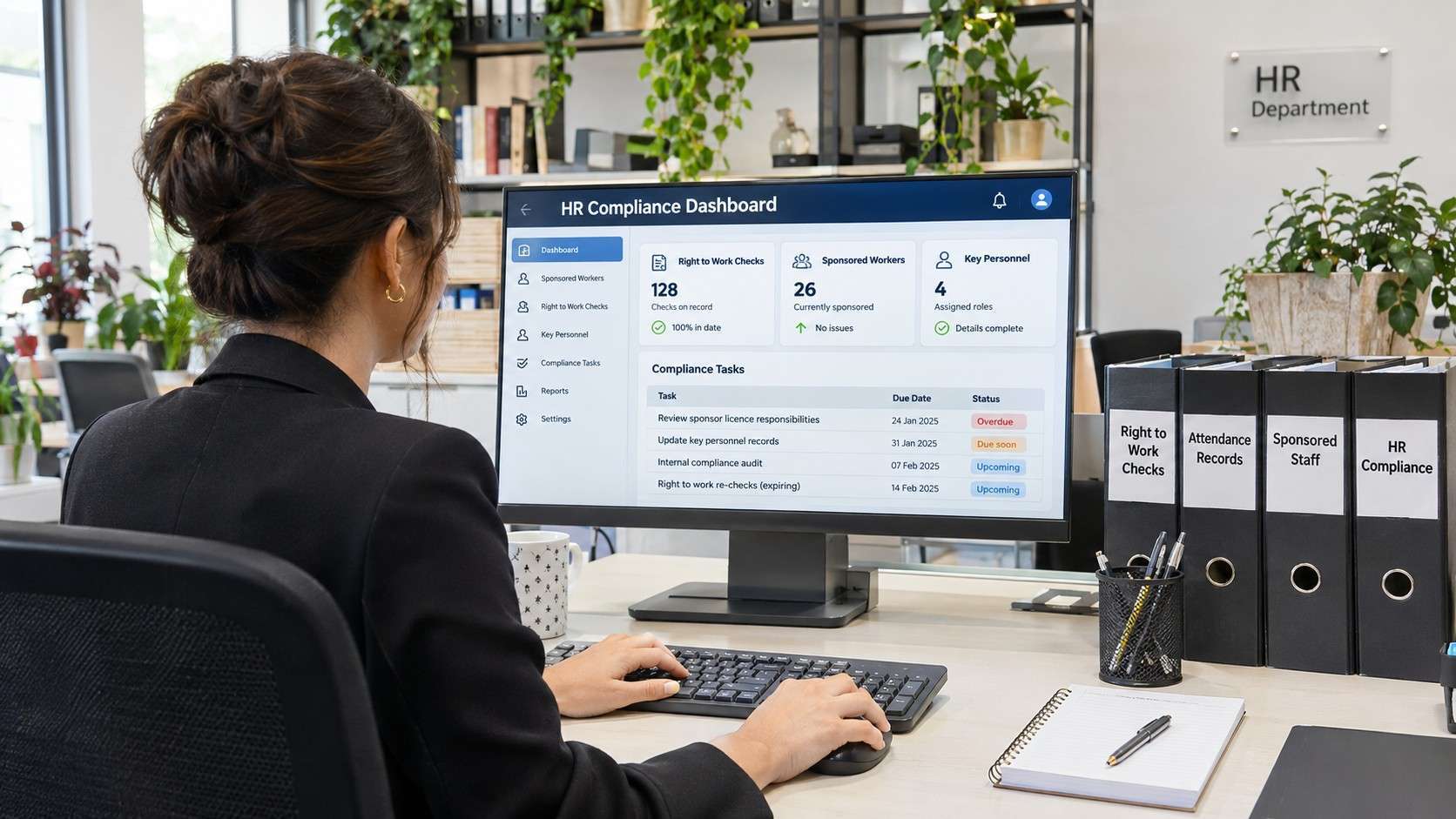
The Home Office must be satisfied that an organisation is capable of carrying out its sponsor duties. This can include systems for monitoring immigration permission, attendance, contact information and other relevant employment records.
Concerns identified during a pre-licence compliance check may therefore lead to refusal. Before reapplying, businesses should understand which systems failed to satisfy the Home Office and whether those weaknesses have genuinely been corrected.
Concerns About the Roles You Intend to Sponsor
The Home Office can examine whether your organisation can genuinely offer employment that meets the requirements of the relevant immigration route.
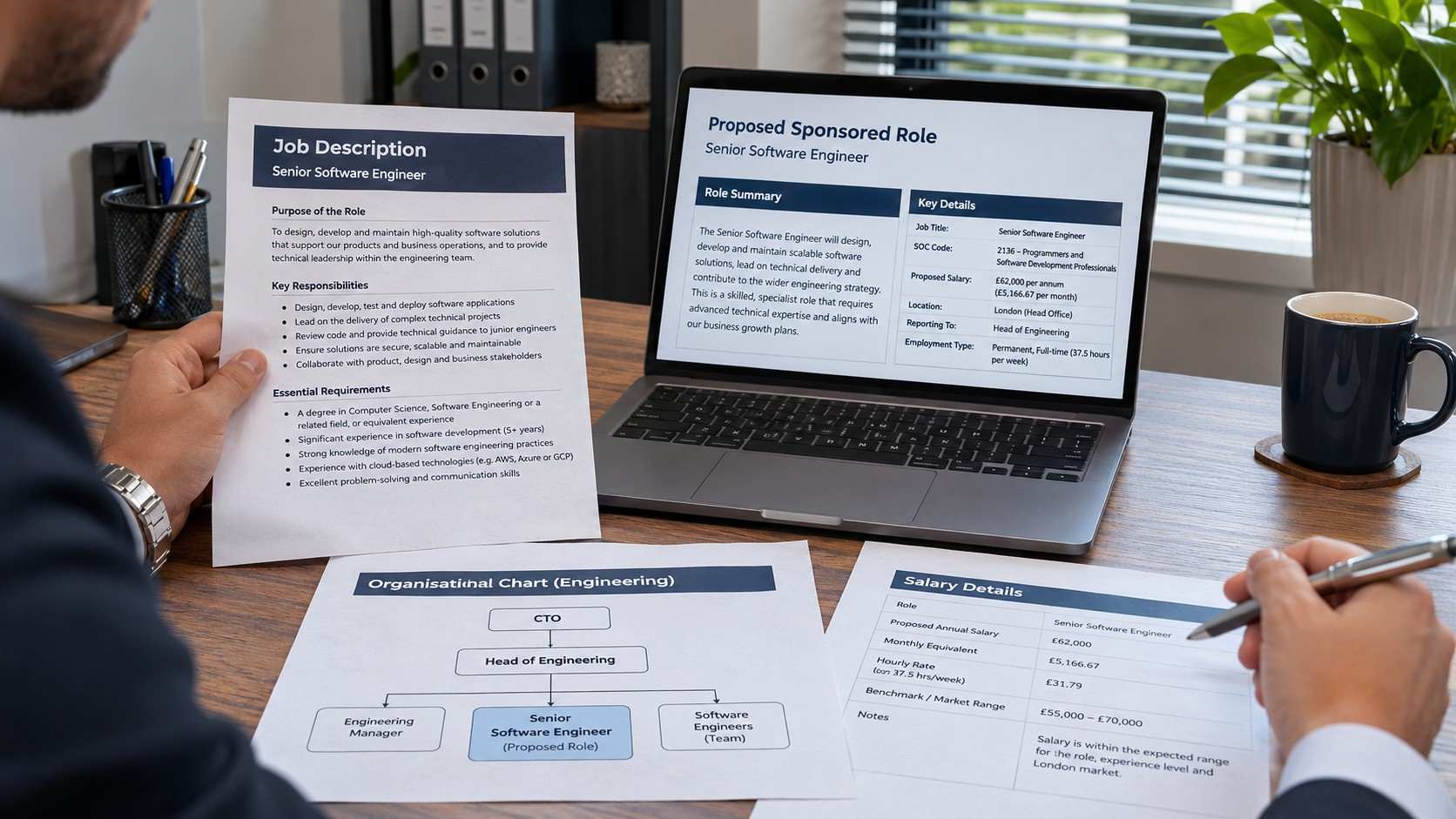
Concerns may arise around the proposed occupation, salary, business need, organisational structure or whether the business can sustainably fund the stated roles. The refusal letter should be reviewed against the information originally provided about the proposed sponsored workers and vacancies.
- Secure your sponsor licence with trusted legal expertise from AXIS Solicitors today
Did the Home Office Have to Refuse Your Application?
Sponsor guidance distinguishes between circumstances where the Home Office will refuse an application, circumstances where it will normally refuse and circumstances where it may consider refusal.
The distinction can be important. Some grounds leave little or no discretion, while others require the Home Office to consider the particular circumstances before deciding whether refusal is appropriate.
Can You Appeal a Sponsor Licence Application Refusal?
There is no statutory right of appeal against the refusal of a sponsor licence application. The appropriate next step depends on why the application was refused.
- Check whether a caseworking error occurred
- Check whether submitted evidence was overlooked
- Consider whether Error Correction is available
- Establish whether a cooling-off period applies
- Assess other legal options where appropriate
A refusal should not therefore be approached as if it were a standard immigration appeal or Administrative Review application.
Can You Ask the Home Office to Correct the Refusal Decision?
The Home Office operates an Error Correction Request process for limited circumstances where a sponsor licence refusal may have resulted from a simple caseworking error or where evidence submitted with the original application was not properly considered.
It is not an opportunity to rewrite the application or provide documents that should have been supplied originally. The request should identify the specific alleged error and explain why it affected the refusal decision.
An Error Correction Request must normally be made within 14 calendar days from the date of the refusal decision letter.
What Counts as a Home Office Caseworking Error?
A caseworking error generally concerns the way the Home Office processed or assessed the application rather than a weakness that the applicant now wants to correct.
For example, an issue may arise where evidence submitted on time appears to have been overlooked, relevant information was incorrectly recorded or a cooling-off restriction was applied incorrectly.
The original application record should therefore be checked carefully before an Error Correction Request is made. A disagreement with the Home Office's assessment will not necessarily amount to a caseworking error.
What Happens After an Error Correction Request?
The Home Office states that it aims to respond to an Error Correction Request within 28 working days of receiving it. The original refusal may be maintained if no qualifying error is identified.
Where the Home Office accepts that a caseworking error affected the decision, it may invite the organisation to submit a fresh application. Businesses should follow the instructions provided in that response rather than assuming that the original refusal has automatically been converted into an approved licence.
A second Error Correction Request cannot normally be used simply because the organisation disagrees with the outcome of the first review.
When Could Judicial Review Be Considered After a Sponsor Licence Refusal?
Judicial Review may be relevant in limited circumstances where there are arguable grounds that the Home Office acted unlawfully when refusing the sponsor licence application.
Judicial Review is not another opportunity to provide missing documents, strengthen the original application or ask the court to make the sponsor licence decision itself. Instead, it examines whether the decision-making process was legally flawed.
Potential issues may include procedural unfairness, a material error of law, failure to consider relevant information or incorrect application of Home Office policy. Strict procedural requirements and time limits apply, so legal advice should be obtained promptly where Judicial Review may need to be considered.
Can a Worker Start Work While You Resolve the Refusal?
A refused or revoked sponsor licence application makes your organisation unable to sponsor a worker or assign a Certificate of Sponsorship.
Whether an individual can lawfully work for the organisation for another reason depends on their existing immigration status and the conditions attached to their permission. Their right to work should therefore be assessed separately rather than relying on the unsuccessful sponsor licence application.
If the intended worker requires sponsorship before starting the proposed role, the business will generally need an appropriate sponsor licence before it can assign the necessary Certificate of Sponsorship.
Can Another Employer Sponsor the Worker Instead?
A worker may potentially obtain sponsorship from another organisation that already holds the appropriate sponsor licence, provided the worker and proposed role meet the relevant immigration requirements.
This does not transfer the original employer's sponsor application or remove any cooling-off restriction applying to that employer. The worker's immigration position should be considered separately, particularly where their existing permission is due to expire or they are considering changing employer.

What Should You Fix Before Reapplying for a Sponsor Licence?
A fresh sponsor licence application should directly address the problems identified in the previous refusal. Simply resubmitting substantially the same application can expose the business to another refusal.
Before applying again, consider whether your organisation has:
- Addressed every refusal reason individually
- Corrected weaknesses in supporting evidence
- Improved relevant sponsorship procedures
- Reviewed proposed sponsored roles carefully
- Resolved concerns involving key personnel
- Prepared for the current requirements & compliance checks
The fresh application should reflect the organisation’s current position and demonstrate that previous concerns have genuinely been resolved.
What Could Affect Your Options After Sponsor Licence Refusal?
The route available to your organisation depends on more than the fact that its application was refused. Previous immigration and sponsorship history can significantly affect what happens next.
Previous Sponsor Licence History
- Earlier licence problems may remain relevant
- Previous revocation can affect reapplication timing
- Past compliance findings may be reconsidered
Immigration Compliance Issues
- Previous breaches can affect suitability
- Illegal working findings may create restrictions
- Home Office concerns require proper resolution
Civil Penalties
- Relevant penalties can trigger longer restrictions
- Unpaid penalties may prevent successful applications
- Multiple penalties can increase adverse consequences
Criminal Convictions
- Relevant convictions may affect suitability
- Unspent convictions require careful assessment
- Connected individuals may also be relevant
Previous Application Conduct
- False information can have serious consequences
- Misleading documents may affect future applications
- Repeated non-compliance can increase scrutiny
Key Areas to Review Before Reapplying
The Home Office may examine the circumstances surrounding the previous refusal when considering another sponsor licence application. Your business should therefore review each relevant area systematically.
Supporting Documents
- Check documents meet current requirements
- Remove inconsistencies between business records
- Keep evidence complete and up to date
HR and Compliance Systems
- Strengthen sponsored worker record keeping
- Improve absence and attendance monitoring
- Establish clear reporting responsibilities internally
Key Personnel
- Review suitability of nominated personnel
- Define individual sponsorship responsibilities clearly
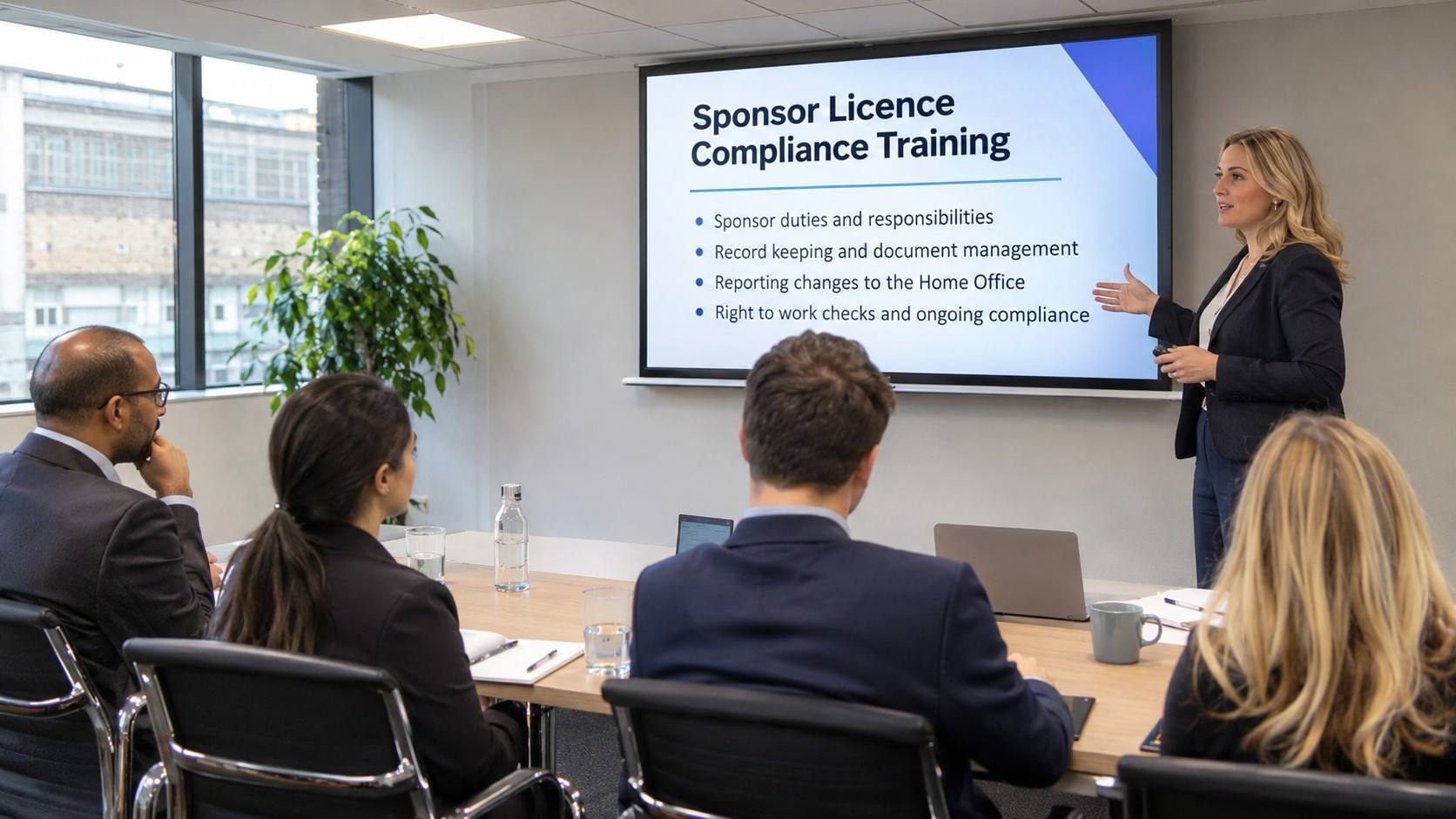
- Provide suitable compliance training where required
Proposed Sponsored Roles
- Confirm roles meet route requirements
- Review salaries against current thresholds
- Evidence genuine organisational recruitment needs
Previous Home Office Concerns
- Address each refusal reason separately
- Record corrective action already completed
- Prepare evidence showing practical improvements