

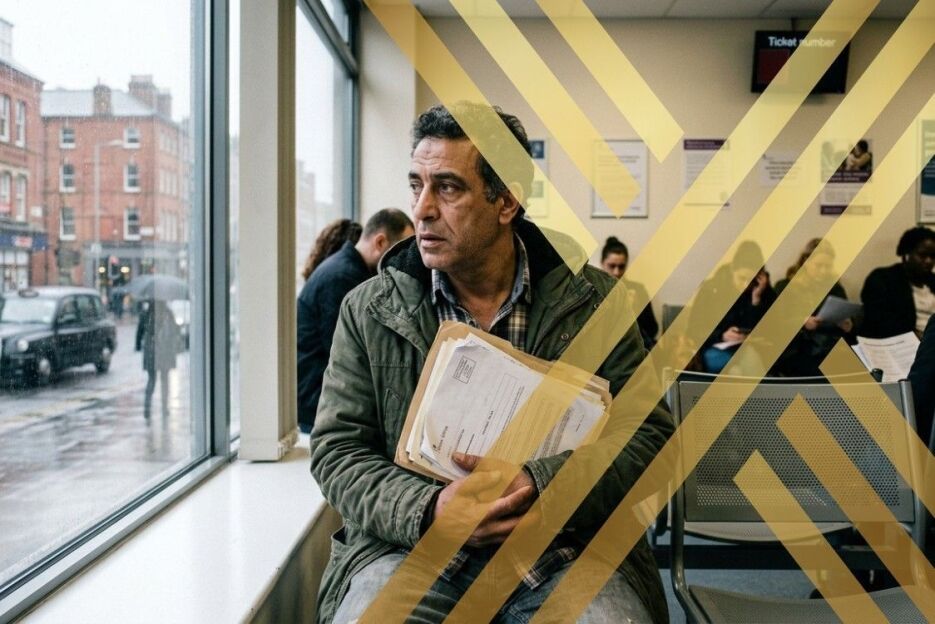
The UK government is planning an asylum appeals system overhaul to cut waiting times, reduce asylum hotels, and bring down the appeals backlog. The changes could affect asylum seekers, people with refused asylum decisions, failed asylum seekers, and foreign national offenders.
A new Independent Appeals Body is proposed to deal with many asylum appeals, using independent adjudicators rather than only judges in the first tier tribunal immigration system. The current asylum appeals system is under severe pressure, with over 51,000 unresolved appeals reported by March 2025, and the UK’s appeal system currently has a backlog of 80,000 protection appeals.
Appeals must be processed under a 24-week statutory timeline, compared with average waits reported at 54 weeks in 2025 and 60 weeks as of September 2025. Main concerns include independence, legal aid shortages, non-lawyer adjudicators, strict deadlines, and the risk of rushed or unfair asylum decisions.
This guide explains what is known about the asylum appeals system overhaul, how it may differ from the current system, what risks it creates, and how Axis Solicitors can help you prepare.
Why the Asylum Appeals System Is Being Overhauled
If you are waiting more than a year for an asylum appeal, or if the home office refuses your protection claim, the uncertainty can feel overwhelming. The asylum appeals system overhaul is intended to make decisions faster, but experienced immigration solicitors can still help protect your rights, evidence and appeal strategy.
Under the current system, asylum appeals are usually heard by the First-tier Tribunal Immigration and Asylum Chamber. A person may claim asylum, attend interviews, receive an initial decision, and then appeal if the Home Office refuses the asylum claim. Further challenges may go to the Upper Tribunal, higher courts, or judicial review in exceptional cases.
The asylum appeals system overhaul is being driven by political and practical pressure. The government wants to reduce the huge cost of asylum accommodation, speed up removals of failed asylum seekers, and deal more quickly with foreign national offenders. There is also public interest in whether the immigration system can be made faster while remaining fair to genuine refugees.
The scale is significant. Over 51,000 unresolved appeals were reported by March 2025. The number of unresolved appeals rose to 51,000 by March 2025. The UK asylum appeal system is transitioning to a fast-tracked model, and the average wait time for an asylum appeal was 54 weeks in 2025. By September 2025, the average wait time for an asylum appeal was 60 weeks as of September 2025. Some reports also show average waiting times of more than 60 weeks and a wider appeals backlog approaching 80,000 protection appeals.
Government Plans for an Asylum Appeals System Overhaul
The asylum appeals system overhaul is one of the most significant proposed changes to immigration and asylum procedures in modern times. The uk government has announced plans for a new Independent Appeals Body to handle most asylum appeals and protection appeals that currently go through the tribunal system.
According to government consultation material on the new Independent Appeals Body, the aim is to create a faster appeals system with stronger case management, tighter rules and clearer deadlines. The proposed independent body would have its own procedure rules and would be separate from Home Office initial asylum decisions.
The stated objectives of asylum appeals system overhaul are to:
- reduce the UK asylum appeal backlog
- cut the use of asylum hotels and other asylum accommodation
- speed up asylum decisions
- increase removals of failed asylum seekers
- prioritise some cases involving foreign national offenders
- restore public confidence in the asylum system
The asylum appeals system overhaul is also linked to wider policy changes. The UK saw an 18% rise in asylum claims in 2024. In 2024, asylum claims in the UK rose by 18%. In 2024, UK asylum claims rose by 18%. Over 400,000 people claimed asylum in the UK since 2021. Over 400,000 people claimed asylum in the UK since 2021. Over 400,000 people claimed asylum in the UK since 2021.
The pressure on state support is also central. 106,000 asylum seekers received state-funded support as of June 2025. 106,000 asylum seekers received state-funded support in June 2025. 106,000 asylum seekers received state-funded support in June 2025. The government has also proposed changing support duties, including plans to revoke the duty to support destitute asylum seekers. The legal duty to provide accommodation for asylum seekers has been downgraded to discretionary.
A key proposal for asylum appeals system overhaul is that appeals must be processed under a 24-week statutory timeline. That is a major shift from the current system, where some people seeking asylum wait more than a year for a final hearing. However, detailed legislation, commencement rules and transitional procedures are still developing, so not every case will change overnight.
How the Current Asylum Appeals System Works

Understanding the current system helps explain why the asylum appeals system overhaul matters so much. At present, the asylum appeal process UK begins when a person makes an initial claim for protection, involving asylum and human rights claims. The Home Office may carry out security checks, a screening interview, and a substantive asylum interview before issuing a written decision.
That initial decision may grant refugee status, humanitarian protection, or another form of leave. It may also refuse the asylum claim. If someone is granted asylum under current rules, they may receive protection and leave. Under proposed reforms, asylum seekers will receive 30 months of leave to remain. Refugee status will become temporary, lasting only 30 months. Refugee status will become temporary under asylum appeals system overhaul, lasting only until safe return. Successful appellants now face a review every 30 months to assess the safety of their home country.
If the Home Office refuses the claim, the person may usually appeal to the first tier tribunal. Appeals against refusal often have strict deadlines, commonly 14 days where the person is in the UK. The appeal is then handled by the First-tier Tribunal Immigration and Asylum Chamber, often called the asylum chamber. Immigration Judges are legally qualified and normally have at least five years of post-qualification experience.
Possible outcomes of asylum appeals system overhaul include:
| Outcome | What it means |
| Appeal allowed | The refusal is overturned and the Home Office must reconsider or grant status |
| Appeal dismissed | The refusal remains in place and removal may follow |
| Appeal withdrawn or conceded | The Home Office or appellant stops the appeal before a full decision |
| Further challenge | A point of law may go to the Upper Tribunal or judicial review |
Around half of all initial Home Office refusals are overturned at the First-tier Tribunal stage. Industry veterans state that poor quality decision making by the Home Office is a major reason appeals succeed. The national audit office has also been cited in debate about error rates in initial asylum decisions.
The current legal framework is complex. It includes the Refugee Convention, human rights, the European convention on human rights, retained principles from eu law where relevant, domestic immigration rules, and country guidance case law. Human rights claims may involve protection from inhuman or degrading treatment, family life under Article 8, or risks of degrading treatment if removed.
Practical problems are common. Legal aid access has been restricted for those who have had an appeal in the past 12 months. Many unrepresented appellants struggle to obtain interpreters, medical reports, witness statements, and expert country evidence, making professional asylum support and human rights representation crucial. Lack of legal aid, long listings, adjournments and address problems all add delay and provide more reasons for asylum appeals system overhaul.
What Will Change: The Proposed Independent Appeals Body
The asylum appeals system overhaul would create a new independent appeals body to take over most asylum and protection appeals. In plain English, this means many asylum cases may no longer be heard in the same way by the current First-tier Tribunal.
The government says the independent appeals body will be independent. However, the new body may use independent adjudicators rather than only legally qualified judges. Some adjudicators could be former civil servants, inspectors, or professionals with experience making serious decisions. This differs from the current tribunal model, where judges are legally trained.
That point is controversial. Asylum law can involve credibility findings, expert evidence, trauma, modern slavery, Article 3 risk, Article 8 family life, and complex human rights claims. Human rights claims under Article 8 face a higher threshold to succeed. New statutory rules restrict claims of modern slavery made late in the process. Late claims may also face scepticism if they appear designed to block removal, although genuine vulnerabilities must still be considered.
Under the asylum appeals system overhaul, the new body is expected to use:
- a single appeal process where possible
- stricter evidence deadlines
- tighter case management
- more paper or online hearings in some immigration cases
- a 24-week target for many appeals
- priority treatment for removal, detention and deportation cases
The government has said it wants a single appeal route, reducing repeat challenges where all issues could have been raised earlier. The asylum appeals system overhaul may also create a fast track system for some people in detention, foreign national offenders, and those with removal directions, which will make effective immigration bail representation for detainees even more important.
Critics worry that closer administrative links with the Home Office or a central case platform could weaken perceived independence. Groups such as the refugee council, Asylum Aid, Amnesty and practitioner bodies have warned that speed must not replace fairness. Others argue the answer is more judges, better Home Office decision making, and better legal infrastructure, not only a new body.
The path to permanent settlement has been extended from 5 years to 20 years under wider policy proposals for asylum appeals system overhaul. This means even successful applicants may face a longer and more uncertain route to stability.
Impact on Asylum Seekers, Failed Asylum Seekers and Foreign National Offenders
The asylum appeals system overhaul will not affect everyone in the same way. For some asylum seekers, faster appeals may reduce months spent in asylum hotels or temporary accommodation. For others, shorter timetables may make it extremely difficult to gather evidence.
Asylum seekers have less preparation time due to the compressed appeal timelines. That matters where a case depends on medical evidence, trafficking indicators, expert reports, documents from other countries, or witnesses who are hard to contact. People seeking asylum may also have trauma, limited English, mental health issues or other barriers to giving evidence quickly.
Failed asylum seekers may face faster enforcement once appeal rights are exhausted. The government is also seeking more return agreements with other countries, more detention capacity, and more voluntary removals.
Foreign national offenders face particular risk under the asylum appeals system overhaul. Deportation cases and removal appeals often involve public interest arguments, family life evidence, children, rehabilitation, and risk on return. If a fast track system is used in detention, there may be less time to obtain probation records, family statements or expert reports.
The reforms of asylum appeals system overhaul are also linked to wider border measures. In 2024, 39% of asylum seekers arrived by small boat. Small boat crossings remain politically sensitive, but the legal question in an appeal is still whether the individual faces persecution, serious harm, inhuman or degrading treatment, or breach of human rights if removed.
The government has pointed to other countries as possible comparisons. Asylum claims in Denmark fell to a 40-year low last year. Ministers also discuss safe and legal routes, but campaigners argue that limited legal routes can leave people with few practical options to reach protection.
Backlogs, Hotel Use and the Asylum System in Numbers
The asylum appeals system overhaul is being promoted as urgent because of the numbers behind the system. Key figures include:
| Issue | Reported figure |
| Unresolved appeals | Over 51,000 by March 2025 |
| Wider protection appeals backlog | Around 80,000 |
| First-tier Tribunal receipts | In 2025, the First-tier Tribunal received 57,184 asylum appeals |
| Appeal waiting time | 54 weeks in 2025 |
| Appeal waiting time by September 2025 | 60 weeks |
| State-funded support | 106,000 asylum seekers in June 2025 |
| Refusals | In the year ending September 2025, 75,354 asylum claims were refused |
| Grant rate | The asylum grant rate dropped to 45% by September 2025 |
| Long waits | As of September 2025, over 17,000 people waited over a year for decisions |
Asylum decision-making increased significantly with 85,000 decisions since July 2024. That may sound positive, but when more initial asylum decisions are refusals, more people may appeal. If refusal quality is poor, the appeals system absorbs the pressure.
The asylum appeals system overhaul also responds to accommodation costs. Many asylum applications and appeals involve people who cannot work and rely on state support. Delays keep people in asylum accommodation for longer, including asylum hotels. That is expensive for the government and distressing for families.
Legal aid shortages worsen the problem. There are not enough immigration and asylum advisers in many parts of the UK, particularly outside London. This affects Manchester, Birmingham and surrounding areas too. When people cannot find advice, hearings may be delayed, evidence may be incomplete, and outcomes become less consistent.
Protect Your Rights During the Asylum Appeals System Overhaul with Axis Solicitors
The proposed asylum appeals system overhaul could introduce faster deadlines, stricter evidence requirements, and major changes to how asylum and protection appeals are decided. Whether you are challenging a refused asylum claim, facing deportation, preparing an immigration appeal, or considering judicial review, early legal advice can make a significant difference to your case.
At Axis Solicitors, our specialist immigration solicitors provide strategic representation across asylum and human rights claims, immigration appeals, deportation challenges, detention matters, administrative reviews of Home Office decisions, tribunal representation, and judicial review proceedings. We work closely with clients to prepare strong appeal bundles, obtain expert evidence, protect procedural rights, and present robust legal arguments at every stage.
If you are concerned about how the asylum appeals system overhaul may affect your future in the UK, contact Axis Solicitors for tailored legal advice and dedicated representation, .

