

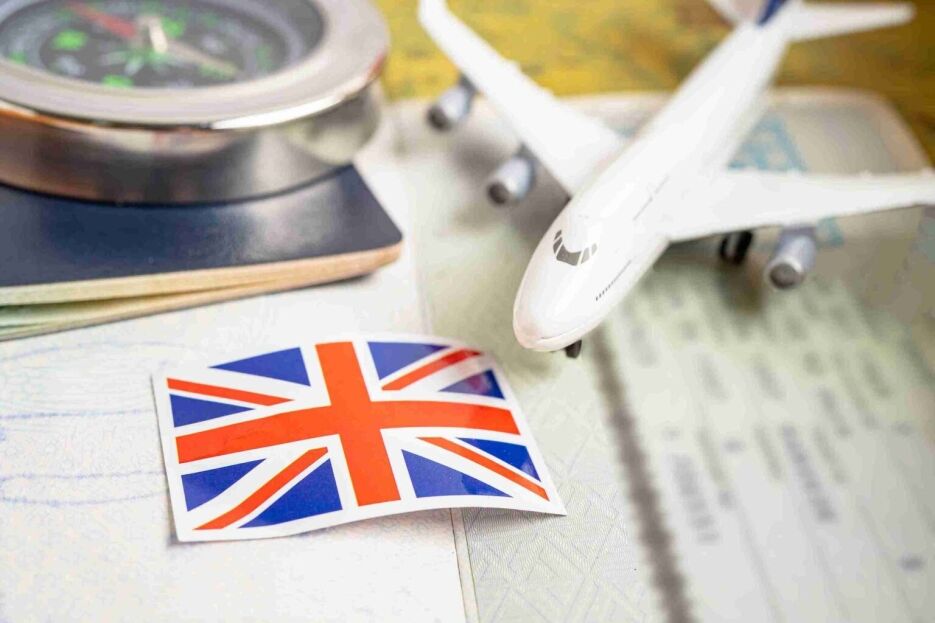
Planning a short trip to the UK? Understanding the UK ETA visa requirements will help you check whether you need travel authorisation before you leave.
An Electronic Travel Authorisation (ETA) is digital permission to travel for eligible visitors who do not need a visa. It is not a visa and does not guarantee entry.
An ETA costs £20 per person, including children and babies, and covers travel for tourism, family visits and other permitted short stays of up to six months. Visitors from 85 nationalities need an ETA from February 2026. Whether you need one depends on your nationality, immigration status and reason for visiting.
This guide from Axis Solicitors explains who needs an ETA, the application requirements, fees and processing times, along with common mistakes to avoid before travelling.
What Is a UK ETA? Understanding the Electronic Travel Authorisation
The Home Office describes the electronic travel authorisation as a digital permission to travel. It is not a visa and does not permit entry into the UK, so it simply authorises you to board a flight, ferry or train heading to the UK. Border officers can still refuse entry on arrival.
The UK ETA is part of a wider move towards a digital immigration system, aimed at tighter border security and smoother border control. It is electronically linked to your passport, so you carry nothing extra. Airline carriers check it before you board, and visitors without one cannot travel unless exempt.
Each person’s record is checked against the government’s systems. In most cases, an automatic decision is issued once the checks are complete. If something needs a closer look, a caseworker reviews the person’s ETA application before a decision is made.
Since 25 February 2026, the requirement has been fully enforced. If you were relying on the earlier transition period, that has ended. Eligible travellers, including eligible non Europeans such as visitors from the United States, Canada and Australia, must now hold approval before they set off.
Who Needs an ETA to Travel to the UK?
You need an ETA if you do not need a visa for short stays of up to six months and you do not already hold other UK immigration status. This covers non visa nationals from more than 80 countries, including the United States, Canada, Australia and all EU member states except Ireland.
Non Visa Nationals and Gulf Cooperation Council Visitors
The scheme began with Gulf Cooperation Council visitors: Qatar, Bahrain, Jordan, Kuwait, Oman, Saudi Arabia and the United Arab Emirates. It has since widened to cover every remaining non visa national. Each person needs their own ETA, including babies and children.
Who Does Not Need an ETA?
You do not need an ETA if you:
-
are a British citizen or an Irish citizen, including dual citizens
-
hold a valid UK visa or other UK immigration status, such as settled status or pre settled status under the EU Settlement Scheme
-
are waiting for a decision on an EU Settlement Scheme application
-
travel on a British National (Overseas) passport or a passport issued by one of the British Overseas Territories
-
are transiting through a UK airport without passing UK passport control
-
are a legal resident of Ireland travelling within the Common Travel Area
The official GOV.UK ETA guidance confirms that anyone with a valid permission to live, work or study in the UK does not need one. Anyone who already holds an eVisa, or another UK immigration status that covers their trip, relies on that instead. An ETA is not a visa and it cannot replace one. If you are unsure which route applies to your plans, our guide to UK ETA requirements for EU and non-EU travellers explains the differences in more detail.
The EU Settlement Scheme and Your ETA
People who settled in the UK under the EU Settlement Scheme hold digital proof of their rights, so they rely on that permission instead of an ETA. If your pre settled status or settled status lapses, check your position before you book travel to the UK. Keep your digital record up to date, because carriers verify it before boarding.
ETA Rules for British or Irish Citizens and Dual Nationals
This is the area that catches most people out. British or Irish citizens cannot apply for an ETA, even if they also hold a second passport from an eligible country. The Home Office confirms that British and Irish citizens do not need an ETA, including dual citizens.
In practice, a dual national must now prove their status at check-in. GOV.UK lists the accepted proof of permission to travel. Acceptable documents are:
-
a valid British passport
-
a valid Irish passport
-
another passport containing a certificate of entitlement to the right of abode (British citizens only)
A British citizen who holds only a foreign passport may be denied boarding. The same applies to anyone with Irish citizenship who cannot show an Irish passport. If you rely on British or Irish citizenship, check that your British passport or Irish passport is valid before you book.
Many British citizens in this position now choose to renew a British passport rather than rely on a foreign one, because a valid British or Irish passport is the clearest evidence at check-in.
If your British passport has expired or been lost, you may be able to apply for an emergency travel document. In limited cases, carriers may accept alternative documentation, such as an older expired passport alongside a valid foreign one, but that is the carrier’s decision and not a right. Treat it as a last resort. A foreign citizen passport on its own does not prove British status.
Irish citizens benefit from the Common Travel Area, which means the UK does not operate routine immigration controls on journeys from within it. There are no immigration controls whatsoever on the land border between Ireland and Northern Ireland.
Everyone arriving in Northern Ireland still needs to meet the Immigration Rules, however, including holding an ETA if one is required.
UK ETA Visa Requirements: What You Need to Apply for an ETA

The UK ETA visa requirements are straightforward. Before you apply for an ETA, gather the following:
-
A valid biometric passport from an eligible country, with a chip. Your ETA is tied to the same passport you will use to travel.
-
Contact and passport details. You will provide an email address, phone number and the passport details provide exactly as shown on the photo page.
-
A valid photo that meets the rules for digital photos on GOV.UK. Digital photo requirements include passport-style specifications: plain background, neutral expression and nothing covering the face.
-
Answers to security questions covering criminal history, previous immigration breaches and visa refusals.
-
A payment card to cover the fee. Whoever completes the online form will also need to supply an email address so the decision can be sent to them.
You will also state your purpose of travel. Permitted reasons include tourism, visiting family and friends, short business trips, short study and transit. Paid work is not allowed, other than limited permitted engagements. If you intend to work or study for longer, you will need a different route.
Our checklist of documents required for a UK visa is useful if your plans go beyond a short visit.
Your passport must be valid for the whole stay. If your passport expires or is replaced, the ETA stops working, because the holder’s passport expires on the same date as the linked ETA ends. Always make sure your travel documents are up to date before you apply, and ask for further information from the airline if anything is unclear.
Keep in mind that eligibility lists for ETAs are subject to change. We recommend getting a custom legal advice before assuming anything.
How to Apply for an ETA: Step-by-Step
Only use official channels. The UK ETA app and the official UK government website are the two legitimate routes. Copycat sites charge inflated fees and cannot speed anything up.
Step 1: Check Eligibility and Choose the Right Passport
Confirm your nationality is on the ETA list and that you do not hold British or Irish citizenship. Use the passport you will actually travel on.
Step 2: Download the UK ETA App or Use the Website
Most people apply through the UK ETA app, which can scan your passport chip. If you do not have a smartphone, you can apply for an ETA online through GOV.UK instead. You can also complete an ETA application for someone else, provided you have their passport and a photo of their face.
Step 3: Enter Your Details and Upload Your Photo
Enter personal and passport information carefully. Mistakes are the most common reason for delays. Upload a valid photo that follows the official guidance.
Step 4: Pay the Fee
An ETA costs £20 and lasts for two years. Pay by debit or credit card. The fee is non-refundable, even if your application is refused. You will need to fee provide contact details at the same time, so that the decision reaches you by email.
Step 5: Wait for Your Decision
Most applicants receive an automated decision within minutes. However, the government recommends allowing three working days in case a further review is needed. Do not book non-refundable travel until your ETA is approved.
Step 6: Travel on the Same Passport
You will receive a 16-digit ETA reference number by email. Nothing needs printing. Travel on the same passport you used in the application, and carriers will verify it digitally.

UK ETA Fee, Processing Time and Validity
| Item | Detail (2026) |
|---|---|
| Fee | £20 per person (raised from £16 on 8 April 2026) |
| Payment | Debit or credit card, non-refundable |
| Decision time | Usually minutes; allow up to three working days |
| Validity | Two years, or until the passport expires if sooner |
| Stay per visit | Up to six months |
The fee rose from £10 to £16 in April 2025 and then to £20 in April 2026, so older pages quoting £10 are out of date. A family of four therefore pays £80 in total, as there is no child rate.
A valid ETA permits multiple journeys to the UK. Stays can last up to six months each time, over the two-year period. That makes the ETA far cheaper than a standard visitor visa for frequent short trips. If your plans are longer or more complex, see our overview of UK visitor and tourist visa requirements.
If you renew your passport or change your name or nationality, you must apply for a new ETA and pay again. You cannot transfer an existing ETA to a new passport, and a valid permission linked to an old passport will not work on the new one.
Common Mistakes When You Need an ETA
-
Typing errors. A wrong passport number, expiry date or name will cause a rejection.
-
Dual nationals applying anyway. If you are a British citizen or hold Irish citizenship, you are not eligible.
-
Poor photos. Blurry, filtered or cropped images lead to further review.
-
Using a different passport. Always travel on the same passport you applied with.
-
Applying through unofficial sites. Use the official app or website only.
-
Booking too early. Wait for approval before paying for non-refundable tickets.
-
Assuming it guarantees entry. Border Force can still refuse entry at the UK border.
At Axis Solicitors, we often see travellers assume that an approved ETA settles everything. It does not. It is permission to travel only, and past immigration breaches can still affect your arrival.
What Happens If Your ETA Is Refused?
A refusal usually relates to criminal history, immigration breaches or incorrect details. You may be able to reapply with corrected information. Alternatively, you may need to seek permission through a full visa, such as a Standard Visitor visa. A refusal can affect later applications, so answer every question honestly. If you travel without a valid ETA, you will likely be denied boarding. If you reach UK passport control without one, you may be refused entry and an immigration record could follow.
If you have a criminal record or a previous refusal of entry, it is often wiser to consider a Standard Visitor visa from the outset. Our guide to UK visitor visa requirements and fees sets out the alternatives.
How Axis Solicitors Can Help
Axis Solicitors is an independent law firm, authorised and regulated by the Solicitors Regulation Authority (SRA No. 653526), and not affiliated with UKVI or any government body. With 20+ years of experience and 8,000+ cases handled, we can help if an ETA is not the right route for you.
-
UK Immigration: advice on the right visa, settlement or citizenship route for your circumstances.
-
Immigration Appeals: support to challenge a refused immigration application and plan your next step.
-
UK Spouse Visa: guidance for families who need more than a short-stay visit permission.
Frequently Asked Questions
What are the UK ETA visa requirements in 2026?
You need an eligible nationality, a valid biometric passport, a valid photo, contact details, answers to security questions and the £20 fee. You must also travel for a permitted purpose.
Do I need an ETA if I already have a UK visa?
No. A valid UK visa or other UK immigration status, including pre settled status, means you do not need an ETA.
Can children apply for a UK ETA?
Yes, and they must. Every traveller needs their own ETA, including babies. A parent or guardian can submit the application on their behalf.
How long before travel should I apply?
Apply at least three working days before you leave. Most decisions are quicker, but the extra time protects you against a further review.
Can I work or study long term with an ETA?
No. You can attend meetings, take short courses and explore opportunities, but you cannot do paid work. If you plan to stay longer, see our guides on the Graduate visa or the move from a Student visa to a Skilled Worker visa.
Is the UK ETA linked to my passport?
Yes. It is linked digitally to one passport. If you lose, renew or replace it, you must apply again.
Speak to Axis Solicitors About Your UK Travel Plans
The rules on dual nationals, passports and refusals are easy to get wrong, and mistakes can mean a missed flight or a refusal on your record. If you are unsure whether an ETA suits your plans, our team can give you clear, practical advice before you book.
Contact Axis Solicitors today to discuss your situation.

