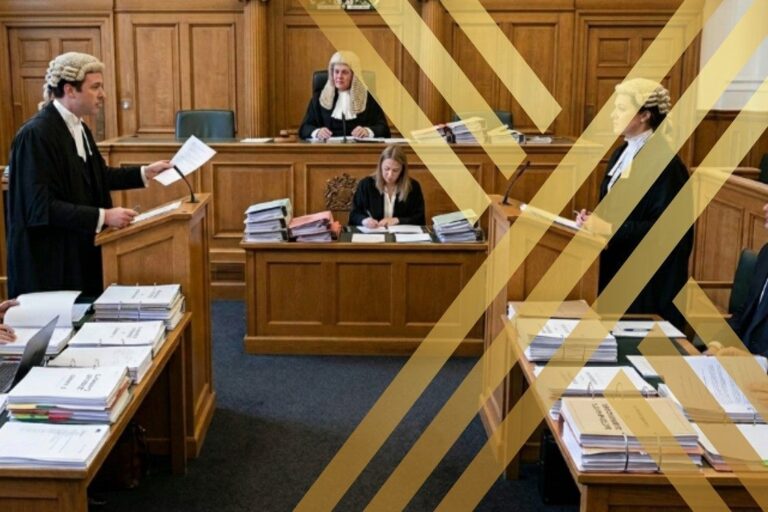

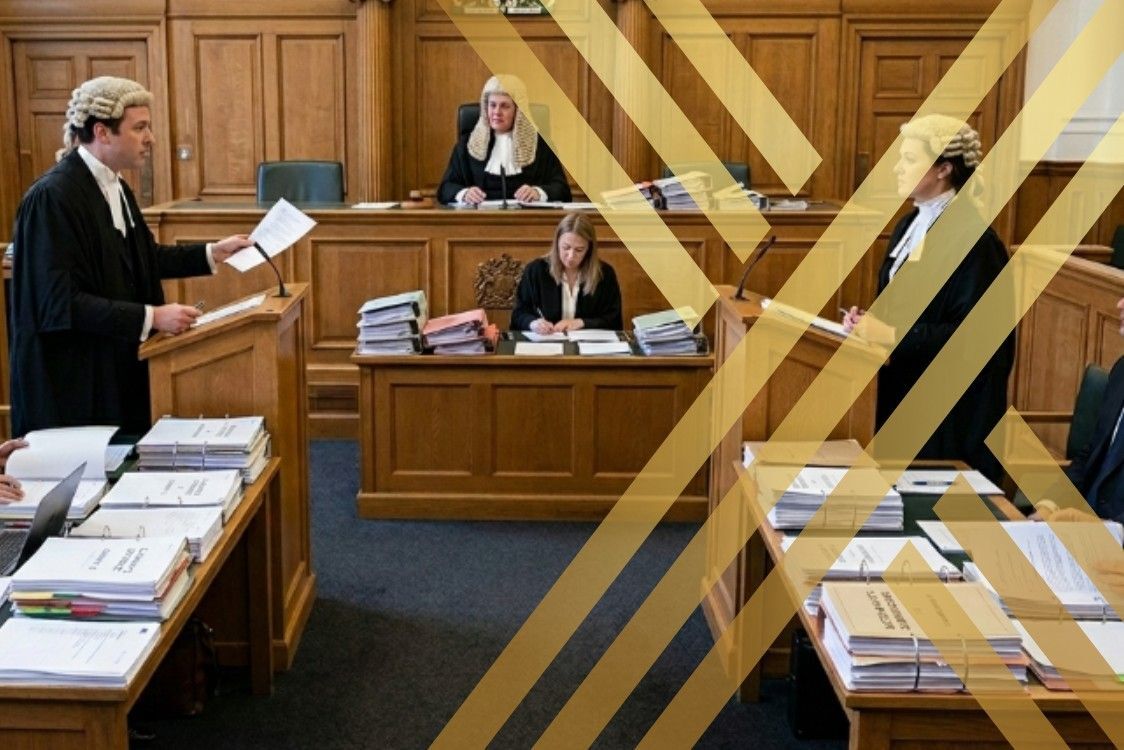
If you are involved in a civil dispute in England and Wales, understanding who must prove what can be the difference between success and failure. The burden of proof determines which party must present sufficient evidence to win, and knowing how it works helps you prepare a stronger case.
In UK civil cases, the burden of proof usually rests on the claimant, who must prove their claim on the balance of probabilities, often described as the 51 percent test. The burden of proof answers “who must prove,” while the standard of proof answers “how convincing the evidence must be.” This process is claim based, meaning the validity or credibility of a statement depends on the evidence supporting it, not simply on whether it has been disproven.
Criminal prosecution requires proof beyond reasonable doubt, a higher standard than the balance of probabilities used in civil courts. The evidence standard in criminal cases is ‘beyond reasonable doubt’, often described as the 99% test, and the prosecution bears the onus to prove the defendant’s guilt. In contrast, in civil cases, the party’s duty is to prove their claim on the balance of probabilities, and such burden can shift in certain exceptions, such as when a defendant raises a positive defence. These are exceptions to the usual allocation of the burden of proof, where the responsibility to prove a particular fact or defence may move from one party to another.
In practice like personal injury, housing disrepair and immigration judicial review, understanding the burden of proof helps clients gather the right evidence from the outset. If you are unsure who carries burden of the proof in your dispute, read on for a comprehensive overview by Axis Solicitors.
How Civil Cases Work in UK Law?
Civil cases arise when one party, whether an individual, business, or organisation, brings a claim against another, seeking compensation or another form of relief. Unlike criminal trials, where the focus is on punishing wrongdoing and proving a defendant’s guilt beyond reasonable doubt, civil courts are concerned with resolving disputes and awarding remedies to the party who has suffered loss or harm.
In civil cases, the burden of proof lies with the claimant. This means the claimant must provide sufficient evidence to support their allegations and convince the court that their version of events is more likely than not to be true. This is known as the balance of probabilities, or the “51 percent” test. The standard of proof in civil cases is therefore lower than in criminal trials, where the prosecution must eliminate any reasonable doubt about the defendant’s guilt.
The defendant in a civil case is responsible for responding to the claim and may present evidence to refute the allegations or support their own defences. Civil cases can cover a wide range of issues, including contract disputes, personal injury claims, property disagreements, and more. The ultimate goal is not to punish the defendant, but to provide reasonable compensation or another remedy to the claimant if their claim is proven.
Understanding where the proof lies and the standard required is essential for anyone involved in a civil dispute. If you are unsure about your position or the evidence needed to support your claim, seeking early legal advice can make a significant difference to your chances of success.
What Is the Burden of Proof in Civil Law?
The burden of proof is the legal obligation placed on a party to provide evidence supporting the facts they assert. In a civil claim, this onus typically falls on the person bringing the action. If you cannot satisfy the burden of proof law, you risk losing your case regardless of whether your claim has merit.
It is important to distinguish the burden of proof meaning from the standard of proof. The burden of proof addresses which party must prove their case, while the standard of proof specifies the degree of certainty required. In most civil cases in England and Wales, the claimant carries the initial burden of proof and must show that their version of events is more probable than not.
Legal practitioners often discuss two elements of the burden of proof, each involving a specific onus. The evidential burden (also known as the burden of production) is the onus to present enough evidence to make an issue worthy of consideration by the court, and this onus can shift between parties as the case progresses. The legal or persuasive burden is the onus to persuade the trier of fact (judge or jury) of the truth of a fact at the conclusion of the case, usually on the balance of probabilities. Failing to discharge either onus can lead to dismissal.
Civil courts in the UK, including the County Court, High Court and specialist tribunals, all apply these burden of proof rules when determining disputes, which interact with each stage of the UK civil litigation timeline.
Burden of Proof vs Standard of Proof
The burden of proof and standard of proof are related but distinct concepts. The burden of proof identifies which party must prove their case, while the standard of proof determines how convincing the evidence must be to succeed. The relation between these standards is important: for example, ‘clear and convincing evidence’ is an intermediate standard used in some jurisdictions, opposed to the lower ‘preponderance of the evidence’ (balance of probabilities) and the higher ‘beyond reasonable doubt’.
In civil courts, the standard required is the balance of probabilities. This means the judge or, in some cases, the jury decides in favour of the party whose version of events is more likely than not to be true. This is often explained as the 51 percent test, though judges and juries make a holistic evaluation rather than a mathematical calculation. As opposed to this, in criminal trials the prosecution must prove the defendant’s guilt beyond reasonable doubt, a significantly higher standard designed to protect individuals from wrongful conviction. If the judge or jury is exactly 50/50 in their belief, the party carrying the burden of proof loses the case.
Consider a car accident in Manchester where the driver is investigated for dangerous driving. In criminal prosecution, the Crown Prosecution Service must prove guilt beyond reasonable doubt to the jury. If witnesses give conflicting accounts, reasonable doubt may prevent conviction. However, in a civil personal injury claim arising from the same incident, the claimant need only show on the balance of probabilities that the other party was at fault. Partial corroboration from dashcam footage or skid marks might be enough to succeed civilly, even where the criminal case failed.
Although the civil standard of proof remains constant, the seriousness of the allegation can influence the quality of evidence required. Allegations such as fraud or deliberate wrongdoing still use the balance of probabilities, but courts expect particularly cogent and convincing evidence before making such findings.
Civil Standards of Proof in the UK

UK civil courts apply a single standard of proof: the balance of probabilities. This means the trial court decides in favour of the party whose account is more likely than not to be true. The judge does not need to be absolutely certain. If the evidence tips the scales even slightly in one direction, that party succeeds.
This standard applies across common civil claims that Axis Solicitors handles. In road traffic accident claims, the claimant must show it is more probable than not that the defendant breached their duty of care. In housing disrepair cases, tenants must demonstrate that disrepair existed and the landlord failed to act. In breach of contract disputes involving unpaid invoices, claimants prove that a valid agreement existed and the other party failed to pay.
For cases involving serious allegations such as fraud or dishonesty, the courts still use the same standard of proof. However, judges require strong and convincing evidence before making findings of deliberate wrongdoing. This approach ensures that findings are not based on slender or inherently improbable testimony.
Specialist areas such as competition law or professional discipline proceedings sometimes refer to clear and convincing evidence or strong and compelling evidence. However, this still reflects the balance of probabilities rather than introducing other standards.
Who Bears the Burden of Proof in Civil Cases?
As a starting point, the burden of the proof lies on the party who asserts a particular fact. In most civil litigation, this is the claimant who brings the action (in some jurisdictions, claimants are referred to as ‘plaintiffs’). The principle traces back to the Latin maxim that the necessity of proof lies with the one who asserts the claim.
It is the party’s duty to prove each essential element of their cause of action, and such burden includes proving entitlement to money or compensation where relevant. In a negligence claim, this means establishing duty of care, breach of that duty, causation and loss. In a contractual dispute, the claimant must show a valid contract existed, it was breached and damage, often involving money resulted.
However, the defendant often carries the burden of proof for positive defences raised. If a defendant argues that a claim was issued out of time under the Limitation Act 1980, they must prove this defence on the balance of probabilities. Similarly, a defendant raising contributory negligence, consent or a statutory exemption must provide sufficient evidence to support that defence.
Modern UK legislation sometimes creates a reverse burden of proof. Under the Consumer Rights Act 2015, traders must prove goods conformed to contract at delivery if the consumer alleges otherwise within six months. In housing disrepair claims, once a tenant proves disrepair and notice, the landlord may bear the burden of proof to show access was refused or repairs were completed.
Consider a tenant in Manchester bringing a housing disrepair claim. The tenant must show disrepair existed through photographs and expert reports, that notice was given to the landlord and that harm resulted. If the landlord argues they were denied access, the burden of proof shifts, requiring them to demonstrate this with evidence.
How the Burden of Proof Works in Practice
The burden of proof law shapes every stage of civil litigation, from pre-action correspondence through to trial. Understanding this helps clients and solicitors develop effective strategies for evidence gathering and presentation.
A claimant typically meets the burden of proof through a sequence of steps. First, they send a detailed letter of claim setting out the facts and evidence supporting their position. This is followed by disclosure, where parties exchange relevant documents. Expert evidence, such as medical reports in personal injury cases, often proves crucial for establishing causation and quantifying loss. Finally, witness statements serve to support the pleaded facts at trial.
If the claimant fails to produce sufficient evidence on a key issue, the court can decide the burden of proof has not been discharged. This may result in dismissal of that part of the claim or the entire case. Ministry of Justice statistics indicate that around 22 percent of defended County Court claims are struck out before trial because claimants fail to meet their evidential obligations.
The evidential burden can shift during proceedings. Once a claimant establishes a prima facie case, the defendant must respond with contrary evidence or risk the judge finding against them by default. This dynamic interplay means both parties must remain proactive throughout, which should be reflected in a well-prepared civil litigation brief setting out evidence and arguments.
Civil procedure rules, case management conferences and directions hearings ensure parties understand what evidence is needed. These mechanisms help both sides prepare to satisfy their respective burdens before trial and to manage the civil litigation costs, including who pays and when.
Burden of Proof in Civil Cases Types
Axis Solicitors regularly advises on how the burden of proof operates across specific practice areas in Manchester, London, Birmingham and across the UK.
Personal Injury and Clinical Negligence
Claimants must prove duty of care, breach, causation and loss. Medical expert reports and accident reconstruction evidence are typically essential. Defendants may carry the burden of proof to establish contributory negligence or pre-existing conditions that reduce damages. Judicial College Guidelines help quantify general damages, with values starting at around £1,770 for minor whiplash injuries lasting up to three months.
Housing Disrepair and Property Disputes
Tenants or leaseholders must prove the existence of disrepair, that notice was given to the landlord and that loss resulted. Landlords may bear the burden of proof for statutory defences such as lack of access or completion of repairs within a reasonable time. Evidence typically includes photographs, environmental health reports and GP records showing health impacts.
Contract and Debt Claims
Claimants must prove a binding contract existed, the amount owed and non-payment in commercial disputes. Disputes over money are claim based, meaning the outcome depends on the evidence supporting each party’s assertions about financial loss or entitlement. Defendants raising defences such as set-off, accord and satisfaction or misrepresentation carry the burden of proof on those issues.
Immigration Appeals and Judicial Review
In immigration tribunal appeals, the appellant generally bears the burden of proof to show they meet immigration rules or that removal would breach their human rights. When challenging Home Office decisions by judicial review, the evidential burden may shift, requiring the public authority to justify its decision.
Probable Cause and Reasonable Suspicion: Key Differences from Civil Standards

Probable cause and reasonable suspicion are important concepts in criminal law, particularly when police officers are deciding whether to stop, search, or arrest someone. Probable cause means there is a reasonable basis, supported by facts and circumstances, to believe that a crime has been committed or that evidence of a crime can be found. This standard is higher than reasonable suspicion, which only requires a reasonable belief, based on specific facts, that a person may be involved in criminal activity.
Reasonable suspicion allows police to briefly stop or question someone, while probable cause is needed for more serious actions like making an arrest or obtaining a search warrant. Both standards require police to have convincing evidence, but neither reaches the level of proof needed to convict someone in a criminal trial, which is beyond reasonable doubt.
In contrast, civil cases in the UK do not use probable cause or reasonable suspicion as standards of proof. Instead, civil courts require the claimant to prove their case on the balance of probabilities—a lower standard than either probable cause or reasonable suspicion. This means the claimant must show it is more likely than not that their claim is true, using sufficient evidence to support their case.
However, in some civil cases involving serious allegations such as fraud or dishonesty, the court may expect clear and convincing evidence before making a finding. While this does not change the civil standard of proof, it does mean that the evidence required must be particularly strong and persuasive.
Understanding these differences is crucial when determining the validity of a claim or the strength of the evidence required in different types of legal proceedings. If you are facing allegations or need to prove your case in civil court, knowing the standard of proof and the degree of evidence required can help you prepare a more convincing argument and increase your chances of a successful outcome, especially when assisted by immigration solicitors in Manchester for complex disputes.
Burden of Proof in Criminal vs Civil Proceedings
In criminal cases, prosecution in England and Wales requires the Crown Prosecution Service to prove a criminal offence beyond reasonable doubt. In these criminal cases, the burden of proof rests squarely on the prosecution, which must establish the defendant’s guilt to this high standard. This high standard exists to protect individuals from wrongful conviction and reflects the presumption of innocence enshrined in Article 6(2) of the Human Rights Act 1998.
In civil proceedings, the balance of probabilities applies, placing a lower standard on the claimant. This makes it possible for someone to succeed in a civil lawsuit even where a related criminal case failed. A driver involved in a collision might not be proven guilty of a motoring offence because the evidence creates reasonable doubt. However, the same person could be found liable in a civil personal injury claim because the claimant only needs to show their version is more probable than not.
Decisions by police officers or the CPS not to prosecute, or even a criminal acquittal, do not prevent a claimant from bringing a civil claim. The civil burden of proof is independent, and evidence that falls short of proving a crime can still satisfy the balance of probabilities.
Understanding these differences is crucial for clients with parallel proceedings. Managing expectations around outcomes helps individuals make informed decisions about pursuing compensation even where no arrest or prosecution has occurred.
How Axis Solicitors Can Help You With Your Civil Case
At Axis Solicitors, we assess at an early stage whether a client can realistically satisfy the burden of proof in their civil case. Our free initial assessment, available in person or remotely, allows us to review your circumstances and provide clear guidance on your prospects of success.
We assist clients in gathering documents, identifying witnesses, arranging expert evidence and presenting a clear narrative that addresses each element they must prove. Our experience spans personal injury, clinical negligence, housing disrepair, civil disputes and immigration-related civil challenges, all areas where discharging the burden of proof can determine the outcome.
If you are an individual, family or business in London, speak to one of our London civil litigation experts to understand how the burden of proof may affect your case. Even where evidence seems incomplete, an experienced civil litigation or immigration solicitor can often identify additional sources of proof or alternative legal routes.
Request a Consultation to discuss your situation with an expert today.
FAQs about the Burden of Proof in Civil Cases
The following questions address practical concerns about the burden of proof that clients raise.
What happens if the court finds the evidence is exactly balanced?
If the judge decides the evidence presented on a particular issue is perfectly balanced, the party who carries the burden of proof on that issue will lose. This is because they have not tipped the balance of probabilities in their favour.
For example, in a contract dispute where both parties give equally plausible but conflicting accounts, the claimant’s claim may fail if they cannot produce additional evidence. Understanding where the burden of proof lies helps solicitors focus on collecting documents or witness testimony to avoid an evenly balanced outcome.
Can the burden of proof change during my civil case?
The overall burden of proof usually remains with the claimant, but the evidential burden can move between parties as new issues arise.
In a housing disrepair claim, once the tenant establishes a prima facie case with photographs and expert reports, the evidential burden shifts to the landlord to show repairs were carried out or access was refused. Experienced solicitors monitor these shifts to adjust litigation strategy accordingly.
What kind of evidence helps meet the burden of proof in civil cases?
The main types of evidence that help satisfy the burden of proof include contemporaneous documents such as emails and letters, witness statements, expert reports, photographs, CCTV footage and medical records.
Civil courts assess the weight and credibility of each piece of evidence rather than simply counting items. Detailed, consistent and reliable material carries more weight. Axis Solicitors supports clients in identifying and preserving key evidence early, which is often decisive for issues such as causation and loss.
How does the burden of proof affect legal costs in civil litigation?
If a party fails to meet the burden of proof and loses, they may be ordered to pay a significant portion of the other party’s legal costs under the usual loser pays rule.
Realistic early advice on whether the burden of proof can be met helps clients decide whether to proceed, settle or narrow the issues in dispute. Discussing funding options such as conditional fee agreements or legal expenses insurance with your solicitor clarifies the financial risk of failing to discharge the burden and highlights why you should not ignore pre-action correspondence such as a letter before claim.
Does the burden of proof work differently in tribunals and immigration appeals?
Many UK tribunals, including the First-tier Tribunal in immigration and asylum cases, apply similar principles and the balance of probabilities standard, though procedural rules and evidence requirements can differ from civil courts.
In most immigration appeals, the appellant must prove they meet the relevant immigration rules or that removal would breach their human rights. The Home Office may bear the burden of proof for certain exclusion or public policy grounds. Because tribunal procedures can be complex, obtaining advice on how to meet the burden of proof before the hearing is especially important.
If you have a question about the burden of proof in your specific dispute, discover the expertise of our team at Axis Solicitors for tailored guidance.