

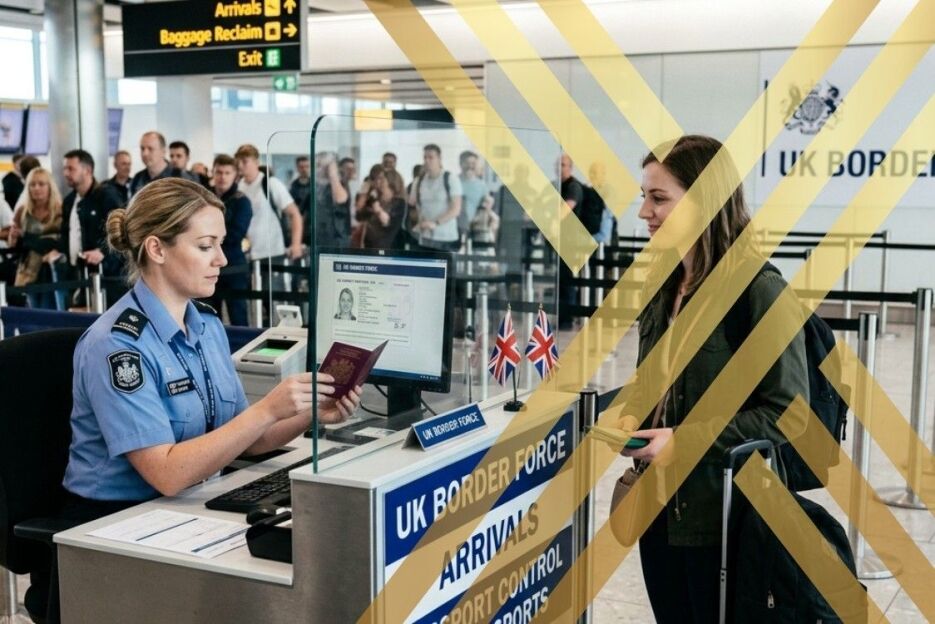
The UK visa brake has become one of the most significant changes to UK immigration rules in recent years. Introduced by the UK government in March 2026, this policy directly affects how certain visa applications are assessed, particularly for applicants applying from outside the UK.
At its core, the visa brake is designed to address concerns within the UK asylum system. The government has identified patterns where individuals enter through legal visa routes and later claim asylum. In response, this measure restricts access to specific immigration routes for certain nationalities.
For individuals, sponsors, and institutions dealing with UK visas, understanding how the UK visa brake operates is now essential. Whether you are applying for a student visa, managing skilled worker visa applications, or advising on immigration routes, the implications are immediate and practical.
At Axis Solicitors, we regularly advise clients on complex immigration rules, including sudden policy changes such as the visa brake. This guide explains the policy in clear terms and sets out who is affected, what it means, and how to respond.
What Is the UK Visa Brake?
A UK visa brake is an emergency immigration restriction implemented as of 26 March 2026, forcing the automatic refusal of specific visa applications from certain nationalities.
In simple terms, the visa brake allows the Home Office to stop certain visa applications before they are granted. It is not a general change to all UK visas, but a targeted restriction applied to specific visa categories and specific nationalities.
The UK government has introduced a restriction known as a visa brake that refuses certain visa applications for specific nationalities and immigration routes. The UK visa brake aims to reduce strain on the UK asylum system by targeting countries with high rates of asylum claims. It is also intended to protect UK border security and reinforce the government’s plans for restoring control over the immigration system.
Where the Visa Brake Applies
Importantly, the visa brake only affects applications made from outside the UK for entry clearance. This means individuals already in the UK with visas issued are not directly impacted by the restriction.
The visa brake applies to visa applications made from outside the UK based on the nationality of the main applicant. The assessment for the visa brake is based on the main nationality declared on the application form. It does not depend on where the applicant currently lives or works.
The UK visa brake is based solely on the main nationality declared on the application form and does not depend on the applicant’s place of residence. This makes nationality the deciding factor when determining whether the restriction will apply.
Why the UK Government Introduced the Visa Brake
The visa brake allows UK Visas and Immigration to refuse applications where the government has identified a pattern of visa holders later claiming asylum in the UK. The Home Office implemented the visa brake to tackle widespread visa abuse, where legal visa routes are used to claim asylum.
The visa brake aims to reduce strain on the UK asylum system by targeting countries with high rates of asylum claims. It is also intended to protect UK border security and support the government’s commitment to managing the immigration system more effectively.
What the Visa Brake Does Not Affect
It is equally important to understand what the UK visa brake does not do. The visa brake does not cancel visas that have already been granted. Individuals who already hold valid UK immigration permission can continue to rely on that permission until it expires. The visa brake does not affect current permission to stay, nor does it cancel existing visas.
If you already have a valid visa for the UK, your permission remains valid until its expiry date. Individuals who already hold valid UK immigration permission can continue to rely on that permission until it expires, provided they comply with the conditions attached to their visa.
The UK visa brake affects new overseas applications rather than existing immigration permission. This distinction is critical for applicants and sponsors managing multiple immigration routes.
Key Dates and Application Cut-Off
Another key point is that the visa brake does not affect applications submitted before 12:01am on 26 March 2026. The visa brake will take effect from 12:01am on 26 March 2026. Applications submitted online after 12:01am on 26 March 2026 that fall within the affected routes and nationalities will be refused.
The UK visa brake will refuse applications made from outside the UK for the affected visa routes if the main applicant is a national of one of the listed countries. Applicants who are not nationals of the listed countries can continue to apply under the normal immigration rules for the relevant visa route.
Who the Visa Brake Applies To
The visa brake only affects nationals of Afghanistan, Cameroon, Myanmar, and Sudan who are applying on the specific routes. It does not apply universally across all visa categories or all countries.
The visa brake applies to visa applications made from outside the UK for entry clearance based on the nationality of the main applicant. The restriction applies to visa applications made from outside the UK for entry clearance based on the nationality of the main applicant.
Is the Visa Brake Permanent?
The visa brake will be reviewed periodically and is not intended to be permanent. The visa brake will remain in place until the UK government decides to remove it.
From a legal perspective, this policy represents a targeted intervention within the wider UK immigration system. It introduces a new layer of risk assessment based on nationality and historical asylum claims, rather than purely on eligibility under the immigration rules.
Which Immigration Routes And Nationals The Visa Brake Affects
The UK visa brake does not apply to all visa categories or all applicants. It is targeted, focusing on specific immigration routes and certain nationalities. Understanding which routes and nationals are affected is critical for both applicants and sponsors.
Affected Immigration Routes
The visa brake primarily impacts two visa categories:
- Student Visa Applications
The UK visa brake applies to Student visa applications made outside the UK from nationals of Afghanistan, Cameroon, Myanmar, and Sudan. Applicants must obtain a valid Confirmation of Acceptance for Studies (CAS) from a recognised UK institution, but even with a CAS, the visa brake may result in an automatic refusal if the applicant is from one of the listed countries. - Skilled Worker Visa Applications
Skilled Worker visa applications made outside the UK are also affected, though only for nationals of Afghanistan. Employers submitting a valid Certificate of Sponsorship (CoS) for applicants from this nationality should be aware that applications submitted online after 12:01am on 26 March 2026 will be refused under the visa brake.
The restriction focuses on overseas applications for entry clearance, meaning in-country extensions, switching to another visa route, or applying for further submissions from within the UK may remain possible under the normal immigration rules.
Affected Nationalities
The visa brake applies exclusively to nationals of Afghanistan, Cameroon, Myanmar, and Sudan. For these applicants, the assessment is based on the main nationality declared on the application form. Dual nationals should check guidance carefully, but the Home Office has confirmed that the main nationality is the deciding factor.
The visa brake also applies to Skilled Worker visa applications made outside the UK from nationals of Afghanistan. Applicants who are not nationals of these listed countries can continue to apply under the normal immigration rules for the relevant visa route. This ensures that the visa brake does not affect other nationals or general UK visa processes.
Implications for Sponsors and Universities
For institutions issuing CAS or CoS, it is essential to verify the nationality of the main applicant. Pausing issuance or updating recruitment and admissions risk assessments may be necessary for affected applicants. Transparent communication with students or employees from these nationalities is advised to prevent misunderstandings or delays.
Employers and universities should be aware that:
- Visa applications submitted online after 12:01am on 26 March 2026 will be refused if the applicant is from an affected nationality.
- Individuals already holding valid visas may continue to work or study under existing conditions.
- Switching or extending visas from within the UK may remain possible if eligibility criteria are met.
How The Visa Brake Affects Student Visas And Other Immigration Routes

The UK visa brake introduces practical consequences for applicants in affected visa categories. Understanding these effects helps applicants, sponsors, and institutions plan effectively and avoid unnecessary refusals.
Impact on Student Visa Applications
For Student visa applicants from Afghanistan, Cameroon, Myanmar, and Sudan, the visa brake directly affects applications made outside the UK. Even with a valid CAS (Confirmation of Acceptance for Studies), the Home Office may refuse an application automatically if it falls within the scope of the visa brake.
Key points to note:
- The UK visa brake does not cancel existing Student visas. Individuals already in the UK can continue their studies in line with existing visa conditions.
- Applications submitted online before 12:01am on 26 March 2026 are not affected. Only new applications submitted after this cut-off may be refused.
- Students may be able to switch to another visa route or apply for an extension from within the UK, provided they meet the relevant eligibility criteria.
- If a Student visa is curtailed due to a break of more than 60 days, the individual must typically return to their home country to comply with visa conditions.
Effect on Skilled Worker Visa Applications
The UK visa brake affects Skilled Worker visa applications only for Afghan nationals. The key implications include:
- Certificates of Sponsorship (CoS) issued by employers may not guarantee a successful application if the main applicant is from Afghanistan.
- Applications submitted online after 26 March 2026 will be automatically refused under the visa brake if the nationality criteria are met.
- Individuals already working in the UK on a valid Skilled Worker visa may continue under their existing visa conditions, and in some cases may be eligible to switch routes or extend their visa from within the UK.
Employers submitting CoS for affected applicants should carefully review nationality details and consider pausing issuance until applicants meet eligibility criteria under alternative routes.
In-Country Extensions and Switching Routes
While the visa brake restricts overseas entry clearance, it does not prevent:
- In-country visa extensions, where allowed under immigration rules.
- Switching to other visa routes, provided the applicant meets the eligibility requirements at the time of application.
- Continuing work or study for individuals already in the UK lawfully.
This distinction is important. Applicants in the UK are not automatically barred from staying, and in many cases, switching visa routes or extending existing visas may be a viable alternative.
Timeline, UK Government Notices And March 2026 Implementation
The introduction of the UK visa brake followed a clear timeline, with official announcements and policy implementation carefully documented by the UK government. Understanding the chronology is essential for applicants, sponsors, and immigration advisers.
Announcement and Statement of Changes
The UK visa brake was first announced on 4 March 2026, signalling a new approach to managing visa applications from certain nationalities. The official Statement of Changes was subsequently published on 5 March 2026, outlining the affected visa routes, nationalities, and operational details.
This Statement of Changes provides legal authority for the visa brake and should be referenced by applicants and sponsors to ensure compliance. It confirms:
- The affected visa categories include Student visas and Skilled Worker visas.
- The listed nationalities are Afghanistan, Cameroon, Myanmar, and Sudan.
- Only applications made outside the UK for entry clearance based on the main nationality are impacted.
Implementation Date
The UK visa brake came into force at 12:01am on 26 March 2026. From this moment:
- Visa applications submitted online for affected routes and nationalities are automatically refused.
- Applications submitted before this cut-off remain unaffected.
- Individuals already in the UK on a valid visa can continue to rely on their existing immigration permission until expiry, provided they comply with all conditions attached to their visa.
This implementation date is critical for sponsors, institutions, and applicants planning submissions, as failing to meet the cut-off could result in automatic refusal under the visa brake.
Official Guidance and Updates
The UK government has instructed applicants and sponsors to reference GOV.UK for official updates. These updates include:
- Any amendments to affected visa routes.
- Changes to the list of nationalities covered.
- Administrative adjustments to online visa application forms.
- Information on appeals procedures for refused applications.
It is also important to note that the UK visa brake will be reviewed periodically and is not intended to be permanent. This ensures that the UK government can adjust the policy based on asylum trends and immigration patterns while maintaining border security.
Practical Steps For Individuals Affected By The Visa Brake
Applicants from Afghanistan, Cameroon, Myanmar, and Sudan who are impacted by the UK visa brake need to take careful steps to protect their immigration status and plan their next actions. While the restrictions apply to overseas applications, there are practical options for managing the implications.
Check Alternative In-Country Visa Routes
The visa brake only affects applications made outside the UK. Individuals already in the UK may still be eligible for other visa routes:
- In-country extensions or switches are often possible if the applicant meets the eligibility requirements of the relevant visa route.
- Nationals from affected countries can consider other visa categories such as the Skilled Worker route and its recent rule changes, Global Business Mobility visas, or settlement applications, depending on their circumstances.
- Applicants must ensure they comply with all existing visa conditions and maintain continuous residence, as any break may affect eligibility for Indefinite Leave to Remain eligibility. For example, spending more than 180 days outside the UK in any rolling 12-month period generally breaks continuous residence for settlement purposes.
By exploring other visa routes, applicants can continue their studies, work, or stay in the UK lawfully without being restricted by the visa brake.
Seek Legal Advice Promptly

Given the complexity of the new rules, seeking guidance from an immigration specialist is strongly recommended. Legal advisers, such as Axis Solicitors, can:
- Review eligibility under alternative visa routes.
- Advise on potential implications for asylum claims, refugee and humanitarian protection, or failed asylum seekers seeking further submissions.
- Assist in preparing submissions for visa extensions, switches, or settlement applications.
- Guide applicants on the appeals process or an administrative review if a visa is refused due to the visa brake.
Prompt legal advice from a specialist UK immigration lawyer ensures that individuals do not make errors that could result in automatic refusal, overstaying, or re-entry bans.
Prepare Documentary Evidence
Proper documentation is critical when applying for any UK visa. Applicants should:
- Collect and maintain records demonstrating compliance with existing visas, financial requirements, English language requirements, and acceptance for studies CAS or valid CoS confirmations.
- Be ready to provide evidence of continuous residence for settlement applications. A break longer than 60 days may trigger visa curtailment, requiring the individual to leave the UK.
- For applicants who have made asylum claims, ensure that all further submissions are complete and meet validity requirements at the point of submission. New evidence may be submitted after a claim is refused or withdrawn, but timing and validity are essential.
Having all documentation ready helps minimise delays, avoid refusals, and ensures compliance with UK immigration rules, which is especially important for nationals planning a complex move.
Impact On The Asylum System And Broader Policy Context
The UK visa brake does not only affect visa applicants; it also has wider implications for the UK asylum system and broader immigration policy. Understanding these impacts helps applicants, sponsors, and policy observers navigate the changes effectively.
Expected Effects on Asylum Case Volumes
One of the primary purposes of the visa brake is to reduce strain on the UK asylum system. By targeting nationals from Afghanistan, Cameroon, Myanmar, and Sudan who are more likely to submit asylum claims after entering the UK on legal visas, the government aims to:
- Limit the number of failed asylum seekers entering the system via affected visa routes.
- Reduce the administrative burden on the asylum support framework.
- Focus resources on genuine refugee and humanitarian protection cases.
The Home Office has indicated that by refusing certain overseas applications, fewer individuals will enter the UK only to later claim asylum, allowing the immigration system to operate more efficiently.
Linking to Broader Immigration Policy
The visa brake is part of the UK government’s wider restoring control agenda, designed to strengthen border security and reinforce compliance with immigration rules. Key aspects include:
- Protecting border security while maintaining legal routes for migration.
- Targeting specific nationalities to prevent misuse of Student and Skilled Worker visa routes for asylum claims.
- Coordinating with other measures such as the White Paper on immigration reform, administrative amendments, and adjustments to humanitarian protection policy.
By embedding the UK visa brake within broader policy measures, the government aims to ensure that the immigration system remains both fair and manageable.
Monitoring Changes to Protection and Asylum Policy
Applicants, sponsors, and advisers should monitor ongoing policy developments:
- Updates to refugee and humanitarian protection durations.
- Changes to the appeals process for refused applications.
- Potential shifts in asylum support eligibility or administrative procedures for further submissions after a refused claim.
These changes may indirectly affect individuals from affected nationalities, even if they are not directly subject to the visa brake. Staying informed ensures applicants can plan for contingencies, including applying for alternative visa routes or preparing documentation for future claims.
Get Expert Guidance on the UK Visa Brake
Navigating the UK visa brake can be complex, especially for applicants from Afghanistan, Cameroon, Myanmar, and Sudan or for institutions issuing CAS and CoS. Axis Solicitors’ Manchester immigration solicitors have extensive experience advising on UK immigration rules, Student visas, Skilled Worker visa applications, and alternative visa routes.
Whether you are planning an overseas application, considering a visa switch from within the UK, or managing asylum-related implications, our team can provide tailored advice to ensure compliance and reduce the risk of refusal. Contact Axis Solicitors today to discuss your situation and receive clear, practical guidance from UK immigration specialists, and you can also review client testimonials about our immigration services to understand how we have helped others in similar situations.
